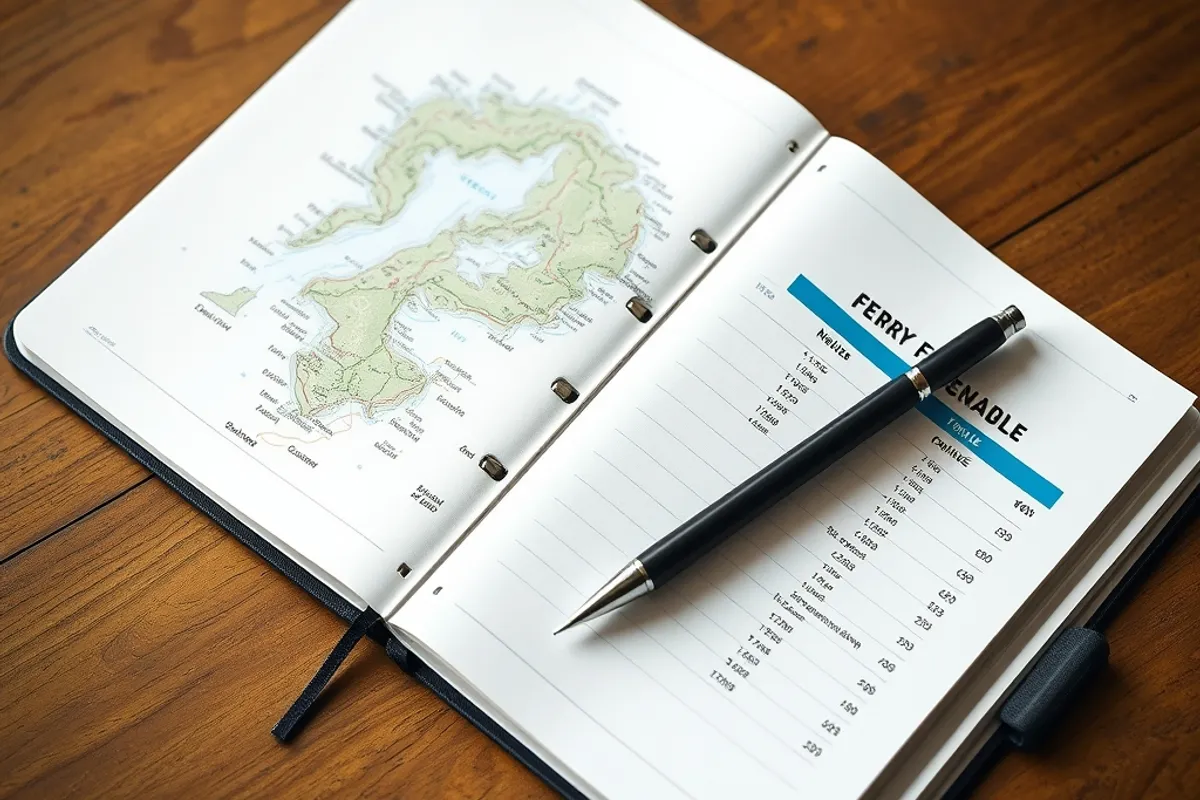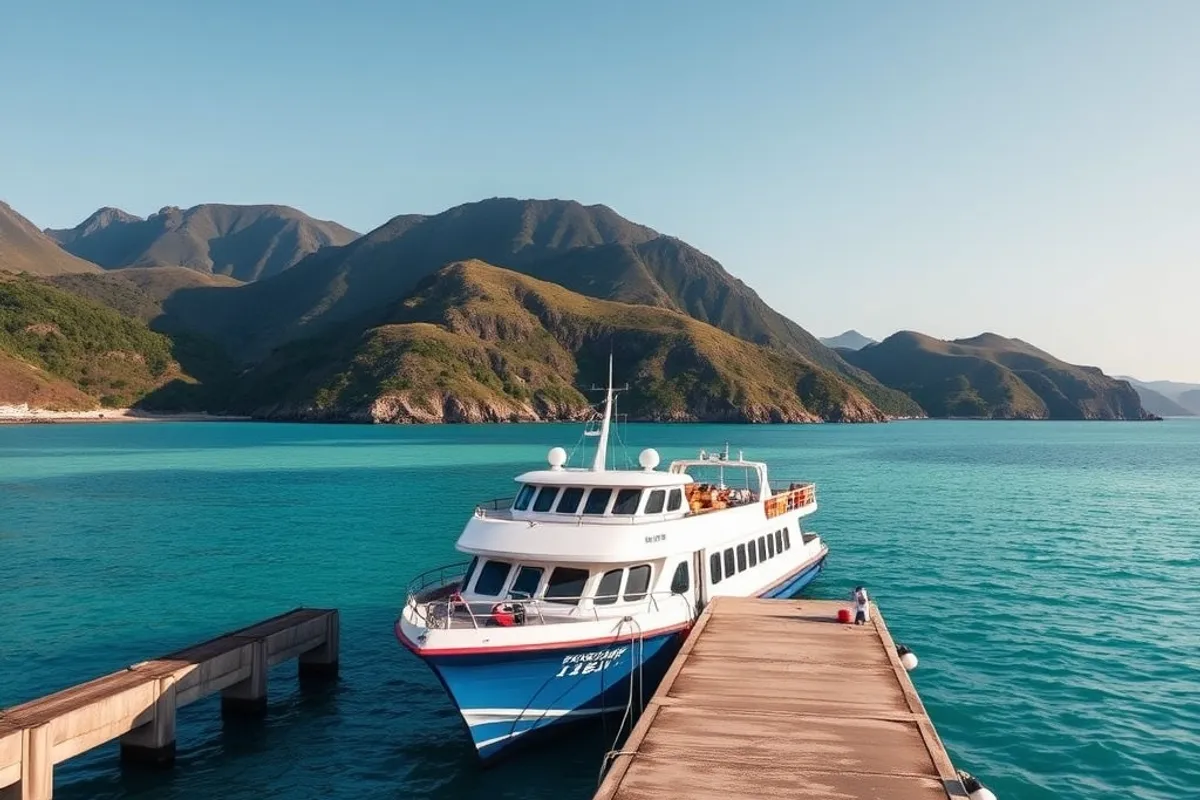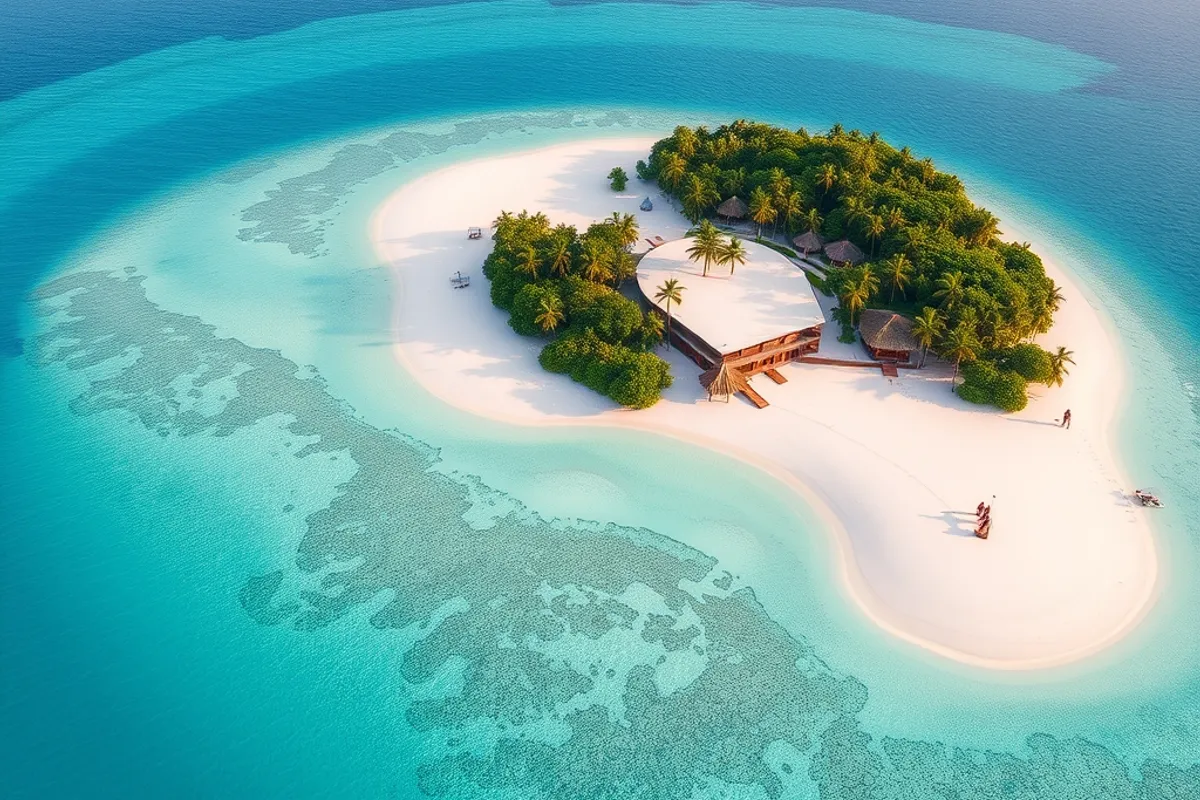
Islands look interchangeable in photographs. In practice they differ in almost every way that matters: how long it takes to reach them, whether they have fresh water, how big they are, what grows there and whether the beach outside your room is public.
This guide gives you a framework for narrowing the field before you fall in love with a photograph and book around it.
Key facts
- Transfer time is the single most underrated factor in an island holiday.
- Small resort islands are convenient but offer little beyond the property.
- Inhabited islands trade polish for markets, local food and lower prices.
- Check the season for your specific island, not just the country.
Contents
- How you reach it decides the trip
- Size and what is on the island
- Beaches: public, private and tidal
- Season, weather and crowds
- Local life and food
- Budget beyond the room rate
- A shortlist method
How you reach it decides the trip
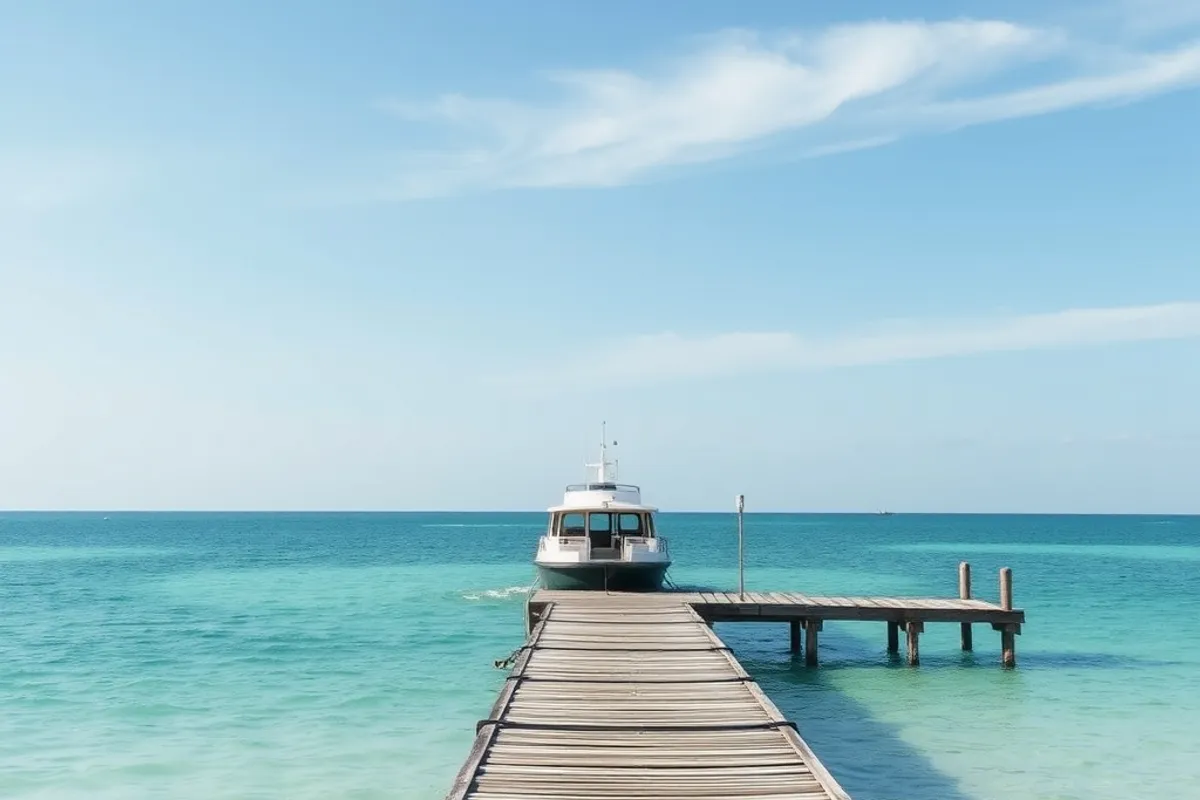
Add up the whole journey: flight, connection, ferry or speedboat, and the transfer at the other end. A two-hour speedboat after a long flight can erase the first day of a short break. A seaplane is scenic but weather-dependent and heavy on luggage limits.
Ask what happens when the boat is cancelled. Islands with a single daily ferry and no alternative are charming until the weather turns. A small airstrip or a second operator is worth paying for.
Size and what is on the island
Very small resort islands are effectively hotels with a beach. That suits people who want to unpack once and never think about transport. Larger inhabited islands offer villages, markets, hiking and a wider range of food, but require a scooter, car or bus.
Decide how many days you can spend doing nothing. If the answer is two, choose an island with something to explore. If the answer is seven, a small resort island is perfect.
Beaches: public, private and tidal
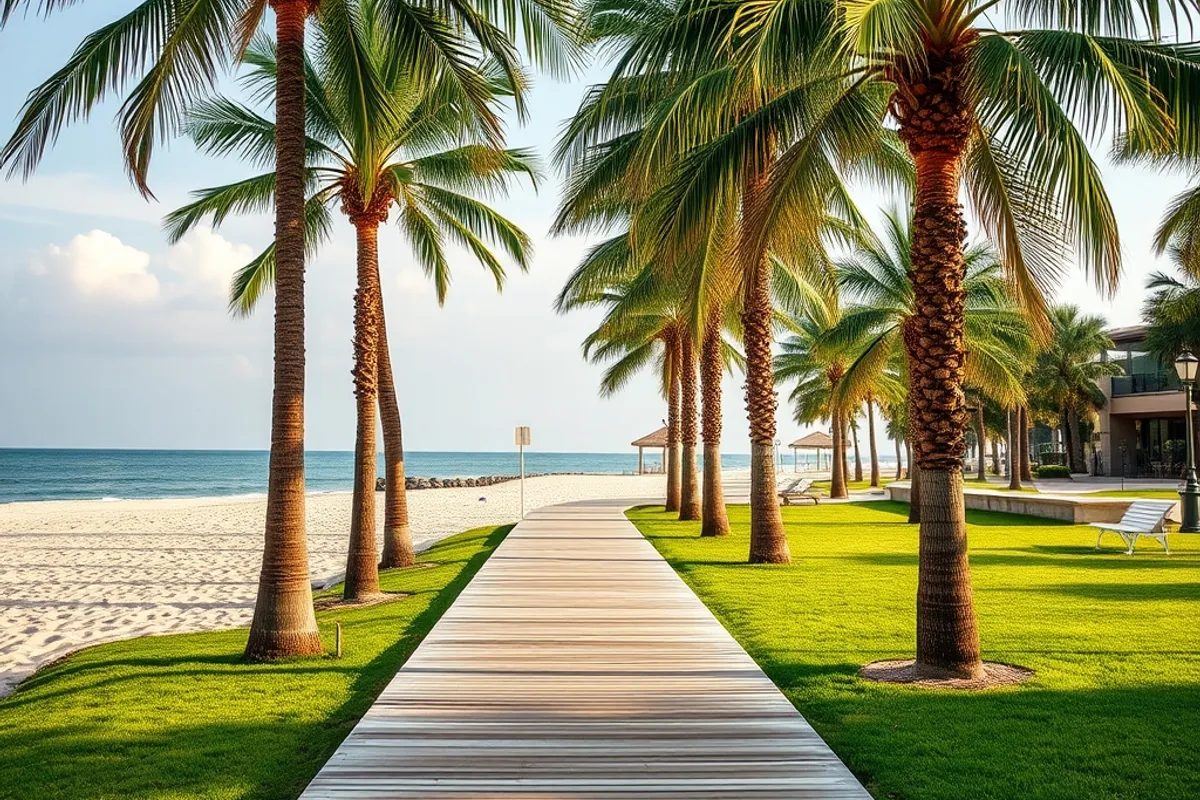
Check whether beaches are public and whether the hotel actually fronts one. Many properties advertise a beach that is a shuttle ride away. Tide matters too: some beaches disappear for half the day.
Look at satellite images and recent guest photos rather than the resort gallery. Aerial shots hide sea walls, erosion and the road behind the sand.
Season, weather and crowds
Island seasons are local. A country's dry season may not match a specific island's wind or rain pattern. Check rainfall by month, prevailing wind and water visibility if you plan to dive.
Shoulder season often gives the best combination of price, weather and space. Peak season brings crowds, higher rates and the risk that the best restaurants and dive sites are fully booked.
An island is a logistics problem wrapped in a postcard. Solve the logistics first.
Local life and food
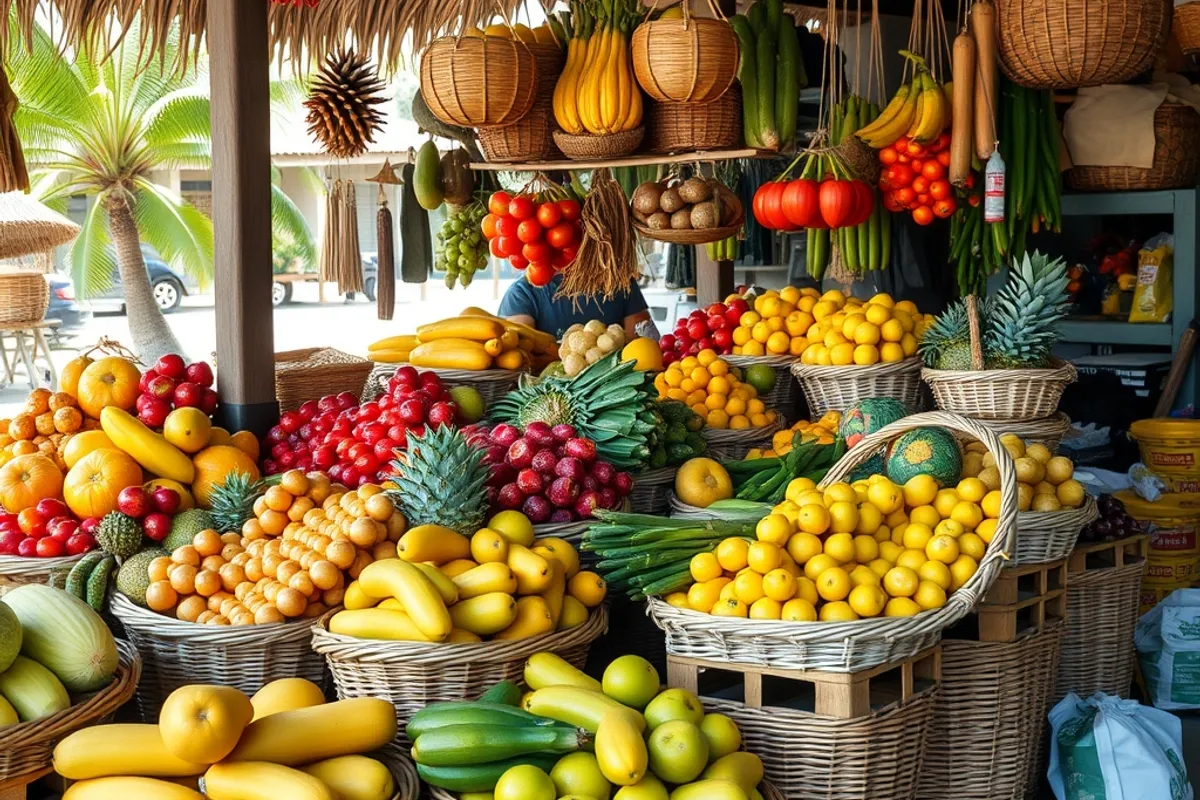
If you want to eat where locals eat, choose an inhabited island with a town and a market. Resort islands often import most of their food and charge accordingly.
Look for a weekly market, a fishing harbour and more than one restaurant within walking distance. Those three signals usually mean a more varied and better-value stay.
Budget beyond the room rate
Island costs concentrate in transfers, food and activities. A cheap room on an expensive island can cost more than a better room with half-board. Add the boat, the airport transfer, drinking water and one or two excursions before comparing.
Check whether the island has ATMs and card acceptance. Remote islands often run on cash, and the only ATM may be unreliable.
A shortlist method
Shortlist three islands, then score them on transfer time, beach quality, things to do, food options and total cost. Remove any island that fails on access or season before you compare hotels.
Book the transfer with the room when possible, confirm the cancellation policy for weather and keep a buffer day before your flight home. Islands reward patience more than tight schedules.