Island hopping sounds spontaneous and rarely is. Ferries run to timetables shaped by weather, tides and seasons, and a missed connection can cost a night. The good news is that the budget version is often the more interesting one.
This guide covers how to plan a hop, what ferry classes actually mean and where to build in slack.
Key facts
- Slow ferries are cheaper and more comfortable in rough weather than fast boats.
- Book the first crossing of the day; delays compound through the afternoon.
- Keep one buffer day before any international flight.
- Pack for carry-on: luggage handling at small piers is chaotic and sometimes charged.
Contents
- Map the route before the romance
- Ferry classes and what you get
- Booking timing and tickets
- Weather, delays and buffers
- Luggage and pier logistics
- Keeping the budget down
- A sample seven-day hop
Map the route before the romance
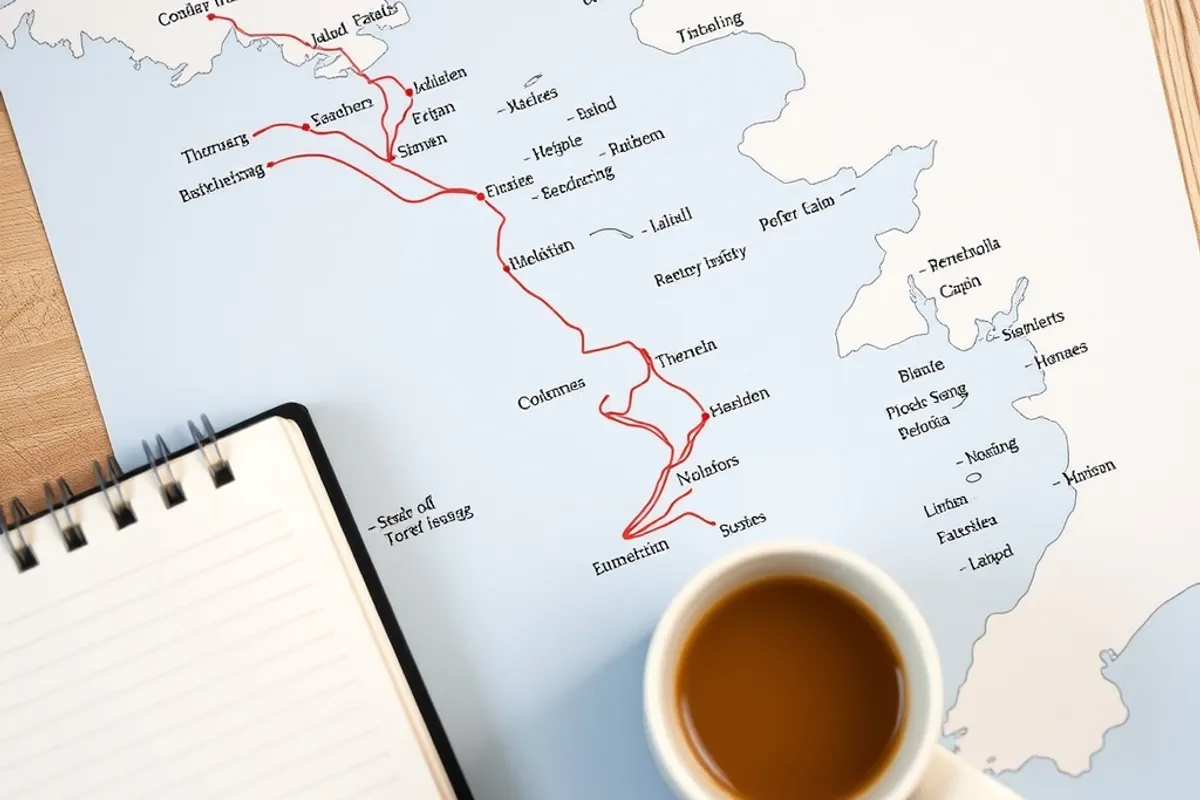
Draw the route on a map and count the crossings. Each one costs half a day once you include check-in, waiting and the walk to your accommodation. Three islands in seven days usually means three afternoons spent in terminals.
Aim for two or three bases on a two-week trip and one or two on a shorter one. Fewer moves means cheaper ferries, less luggage handling and more time in the water.
Ferry classes and what you get
On larger routes you will see economy, air-conditioned and business classes. Economy is usually open seating or a bench on deck; air-conditioned seats cost more but are worth it on long daytime crossings in hot climates.
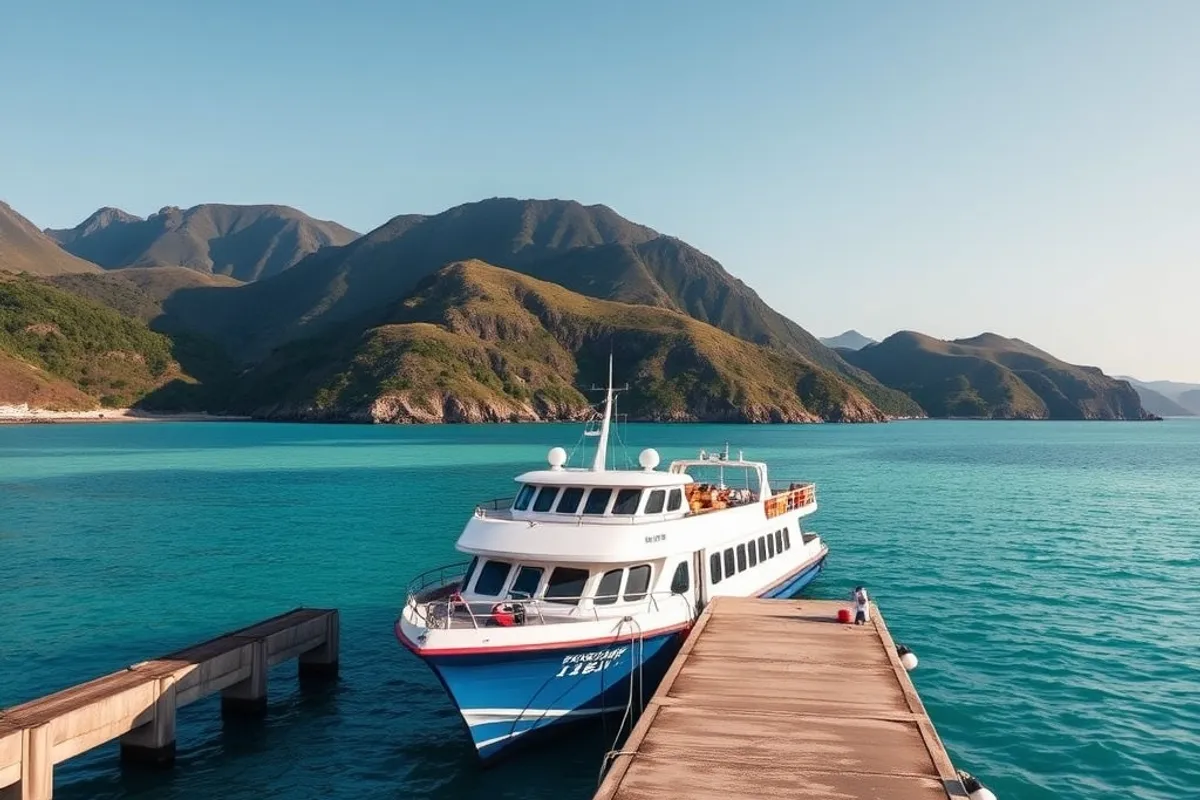
Fast catamarans are quicker but pitch more in swell and cancel more readily. Conventional ferries are slower, steadier and often cheaper. If you are prone to seasickness, the slow boat is usually the better choice.
Booking timing and tickets
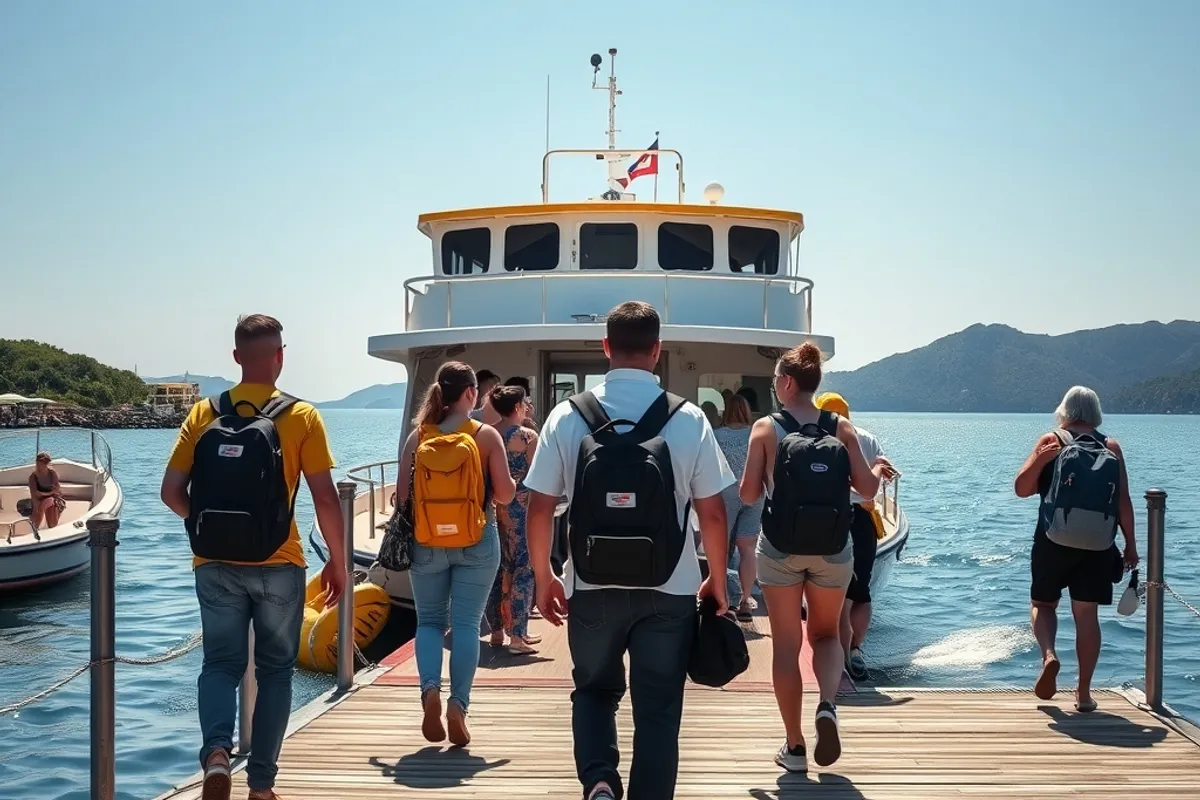
Book the first sailing of the day when you have a connection. Afternoon boats inherit the delays of the morning. In peak season, book popular routes a few days ahead; in low season, buy at the pier and stay flexible.
Check whether the ticket is for a specific sailing or an open day. Print or screenshot the ticket: small operators may not have reliable connectivity at the gate.
Weather, delays and buffers
Wind is the main cause of cancellation, not rain. A windy but sunny day can stop small boats while a rainy calm day runs normally. Check the marine forecast the evening before.
Keep a buffer day before any international flight and know a fallback: a larger island with an airport, or a mainland port with frequent departures. Travel insurance that covers weather delays is worth reading closely.
The cheapest ferry is the one that actually sails. Build slack, then book the slow boat.
Luggage and pier logistics
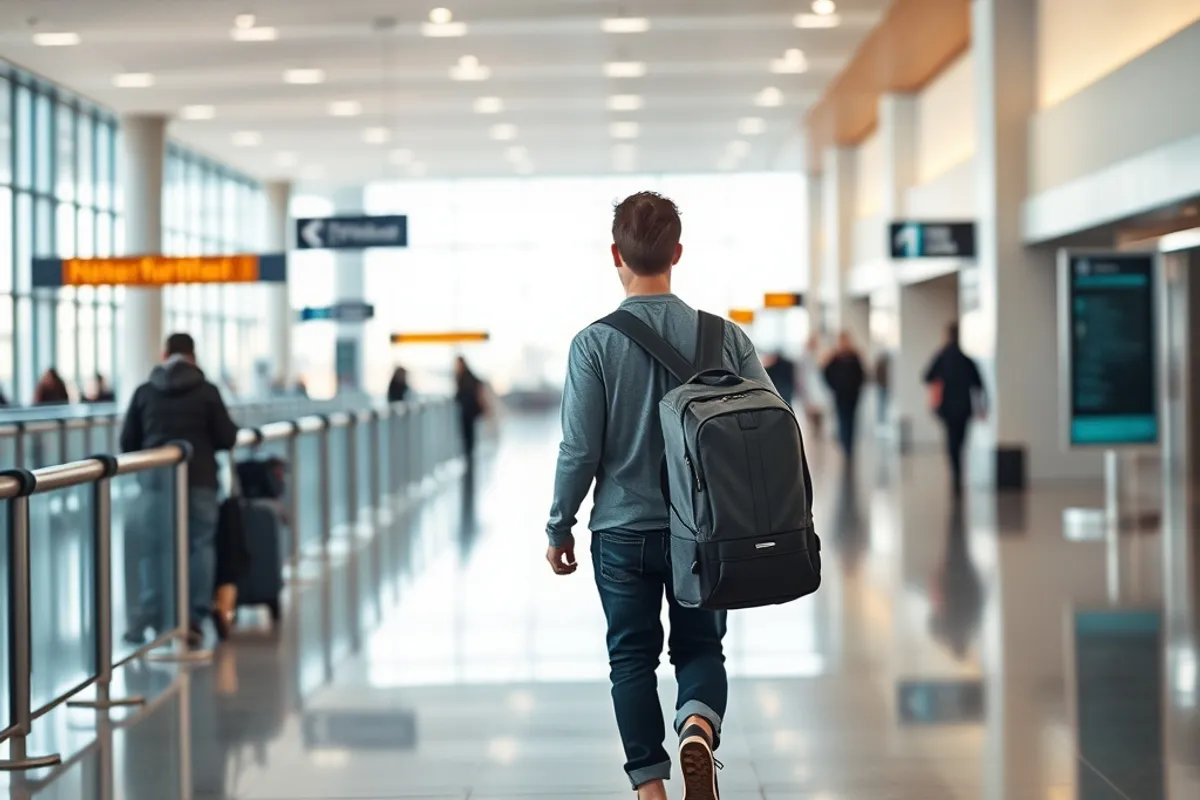
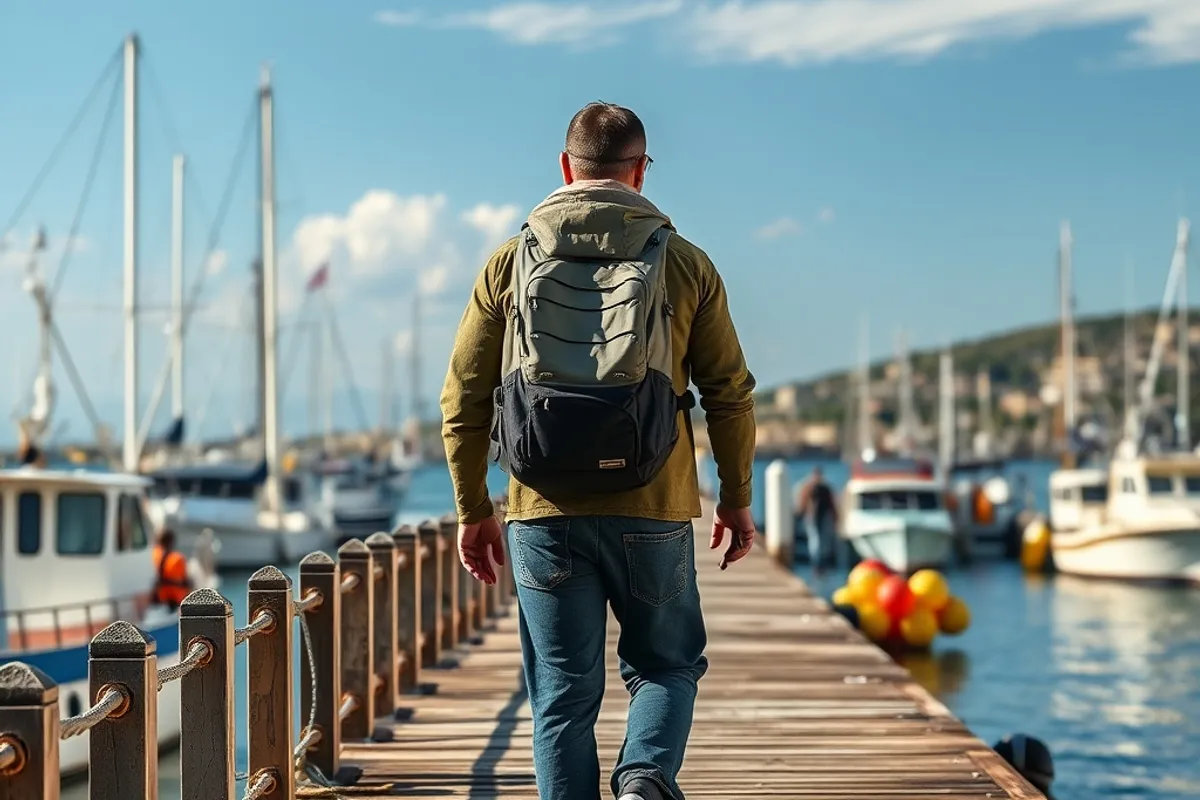
Small ferries often charge per bag and handle them roughly. A soft backpack or carry-on is easier than a hard case. Keep valuables, documents and medicine with you rather than in the hold.
Arrive early enough to find the right pier; island ports can have several. Ask your accommodation which company and which pier, not just the departure time.
Keeping the budget down
Stay in family-run guesthouses, eat at markets and take the slow ferry. Buy a multi-day ferry pass where one exists. Avoid taxis for short hops; many island towns are walkable.
Drink tap water only where it is safe, otherwise buy large bottles rather than small ones. A refillable bottle and a filter save money and plastic on longer trips.
A sample seven-day hop
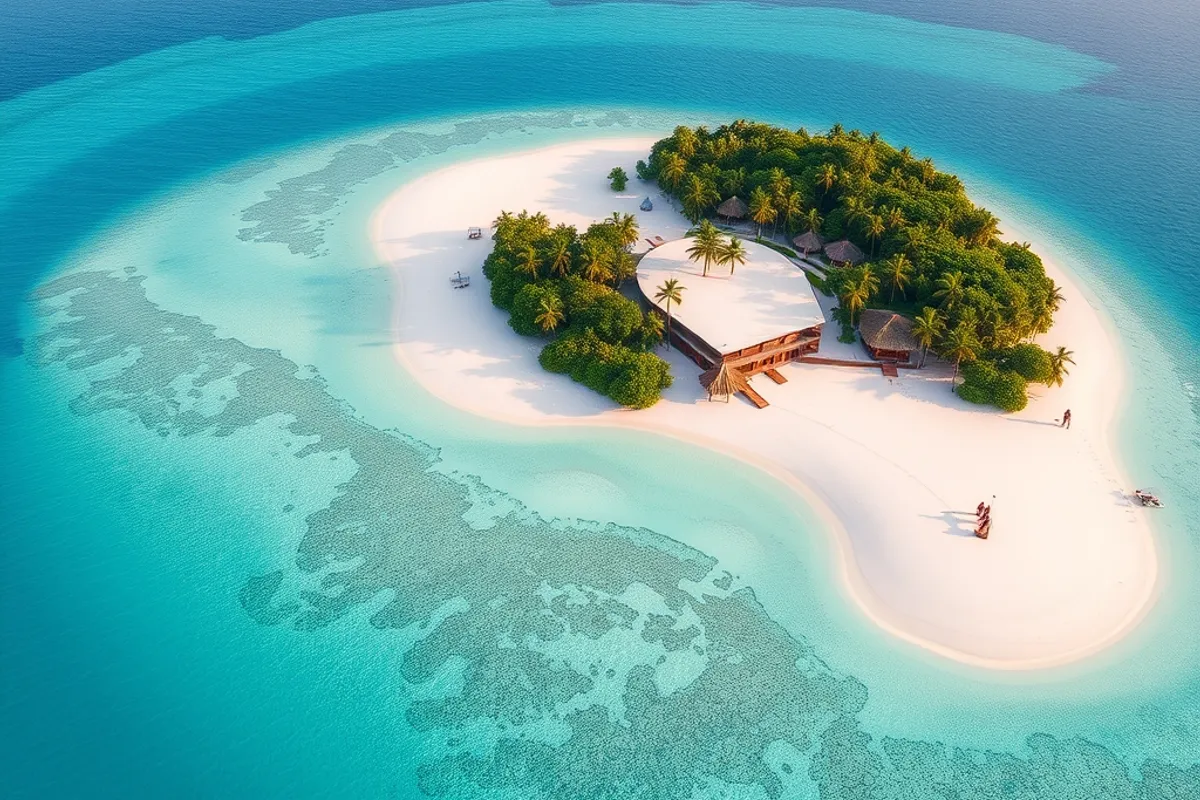
Base one: a larger island with the airport, three nights. Base two: a small island an hour away by slow ferry, three nights. Final night: back on the airport island to protect the flight.
This pattern keeps crossings to two, gives each base time to breathe and leaves a weather buffer. Adjust the base order so the longest crossing happens early in the trip, when you still have slack.