A first safari is expensive enough that most people only take one. That makes the planning phase unusually important: the difference between a good trip and a great one is rarely the animals, which are wild either way, but the season, the camp and the amount of time you spend in a vehicle each day.
This guide walks through the decisions in the order they actually matter. Country first, then season, then camp style and location, then the logistics that decide how much of your budget reaches the bush.
Key facts
- Dry season concentrates wildlife around water but means dust and sparse scenery.
- Green season brings lush landscapes, fewer vehicles and a much lower rate.
- Two nights in one camp beats four nights split across two distant camps.
- Ask whether park fees, transfers and guide gratuities sit inside the quoted rate.
Contents
- Start with a country, not a lodge
- Season decides more than price
- Camp style: tented, lodge or mobile
- Location beats luxury
- Reading the quote properly
- Guide and vehicle quality
- Health, safety and paperwork
Start with a country, not a lodge
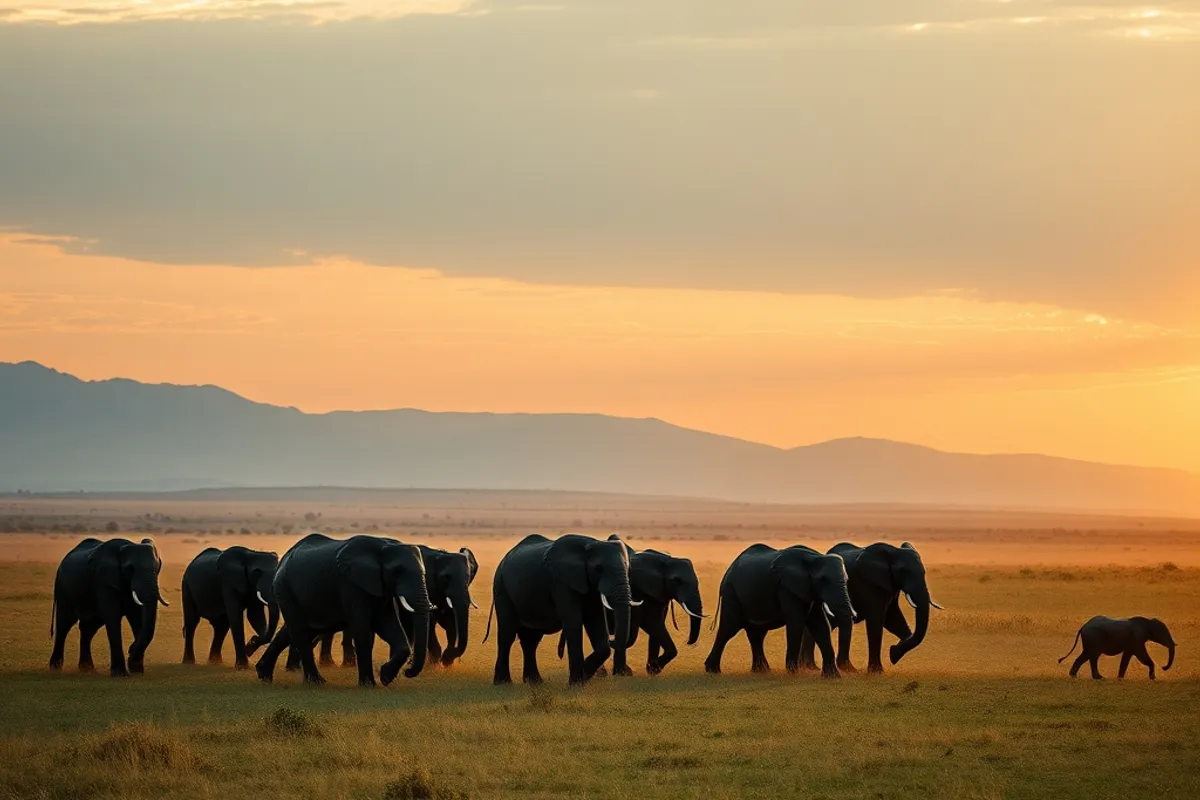
Safari countries differ more than brochures suggest. East Africa — Kenya and Tanzania — offers wide plains, the migration and a long tradition of guiding. Southern Africa — South Africa, Botswana, Namibia, Zimbabwe — tends toward private reserves, self-drive options and a wider range of price points.
Choose a country based on the experience you want, not the photograph you saw. If you want big open herds and classic savannah, look east. If you want fewer vehicles, private concessions and the option to drive yourself, look south.
Season decides more than price
The dry season is popular for good reason: vegetation thins, animals gather at water and sightings are easier. It is also the most expensive window, with the highest vehicle density in the famous reserves.
The green season is the opposite. Rain turns the bush lush, calves appear, birds arrive and rates fall — sometimes by half. You will work harder for sightings and some tracks may close, but the experience is quieter and often more photographic.
Camp style: tented, lodge or mobile
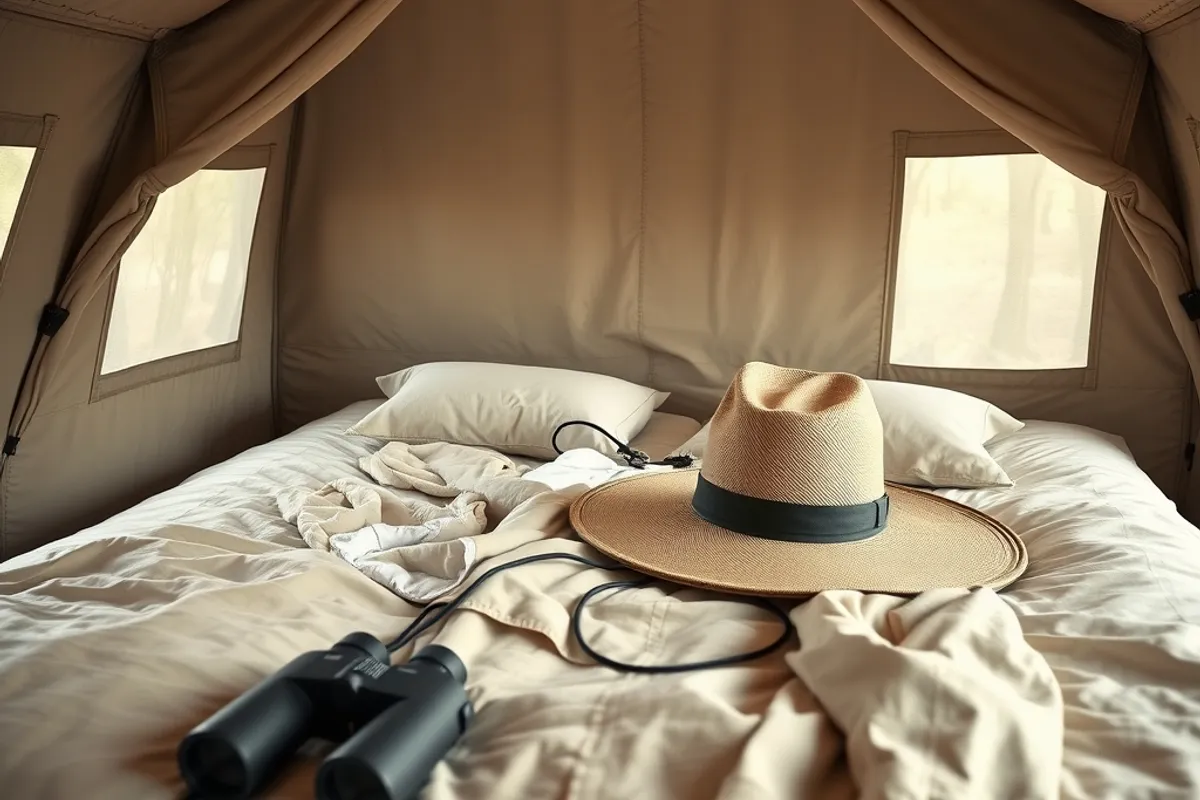
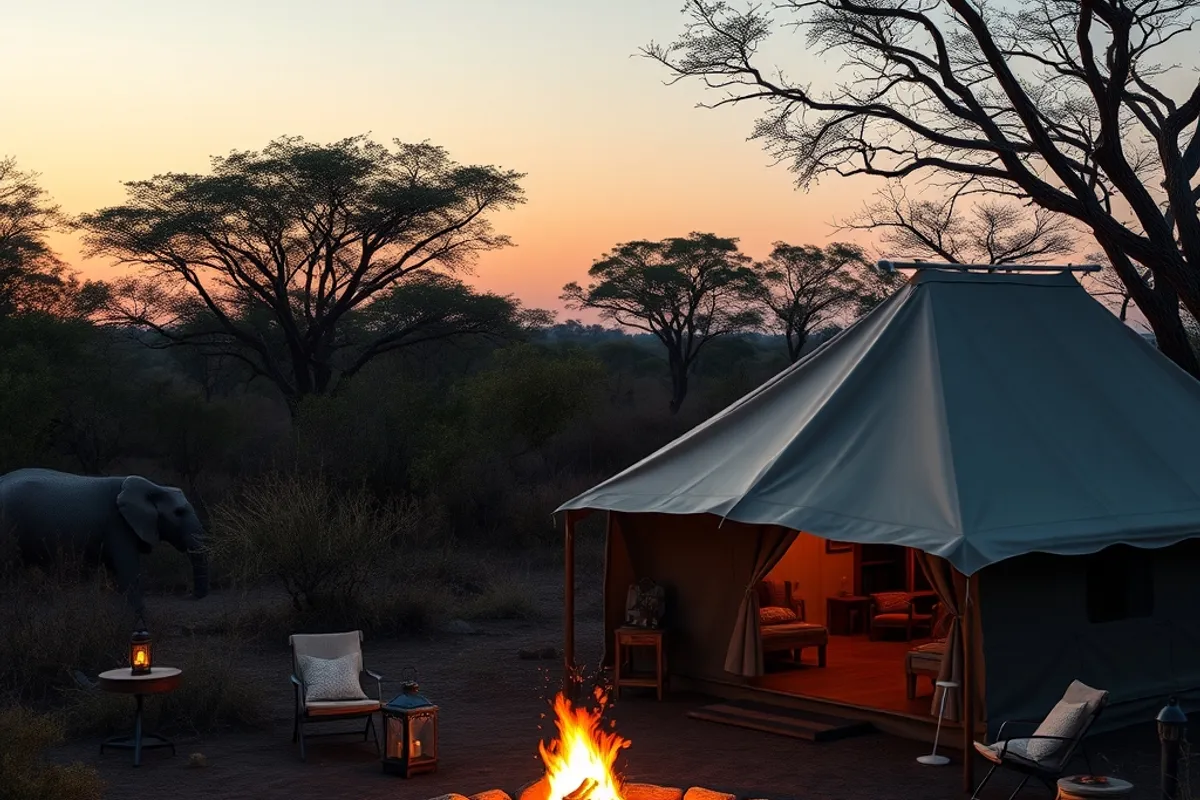
Tented camps range from comfortable canvas with bucket showers to near-luxury with plunge pools. Lodges are fixed buildings with more facilities and usually more guests. Mobile camps move with the migration and offer the most intimate experience at the highest cost.
Match the camp to your tolerance for heat, insects, early starts and walking. A luxury lodge is not automatically better than a simple tented camp if the tent sits in a better location with a smaller vehicle.
Location beats luxury
A modest camp inside a private concession usually delivers better sightings than a fancy lodge on the edge of a busy park. Private concessions allow off-road driving, night drives and walking safaris that national parks often prohibit.
Ask how far the camp is from the gate, how many vehicles share the area and whether the camp has its own traversing rights. Those three answers tell you more than a gallery of pool photos.
The animals are wild. Everything else — season, camp, vehicle, guide — is a decision you can make before you pay.
Reading the quote properly
A safari rate is usually quoted per person per night and may be fully inclusive or room-only. Park fees, conservancy fees, transfers, drinks, laundry, spa treatments and guide gratuities are often separate. Add them up before comparing camps.
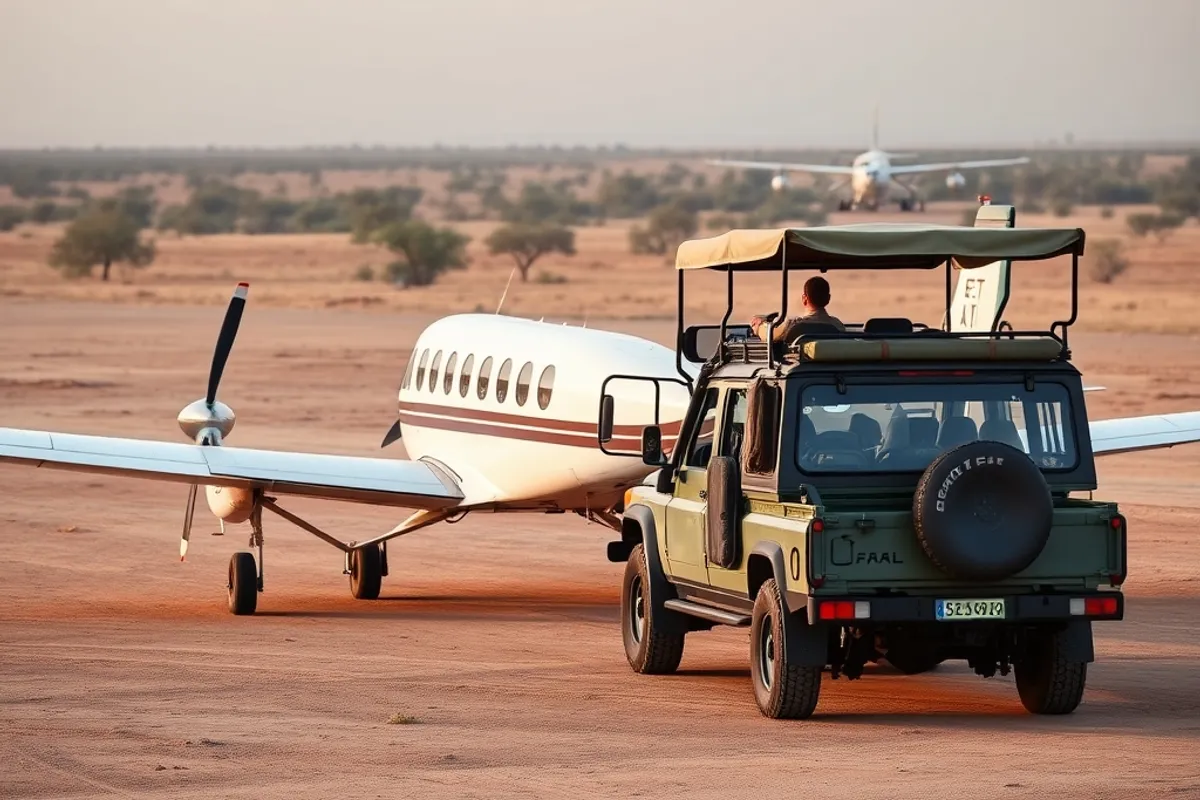
Ask for a written breakdown. A camp that looks 20 percent cheaper can close the gap once flights, fees and transfers are added. Factor in at least one internal light-aircraft flight, which is often the single largest line item after the accommodation.
Guide and vehicle quality
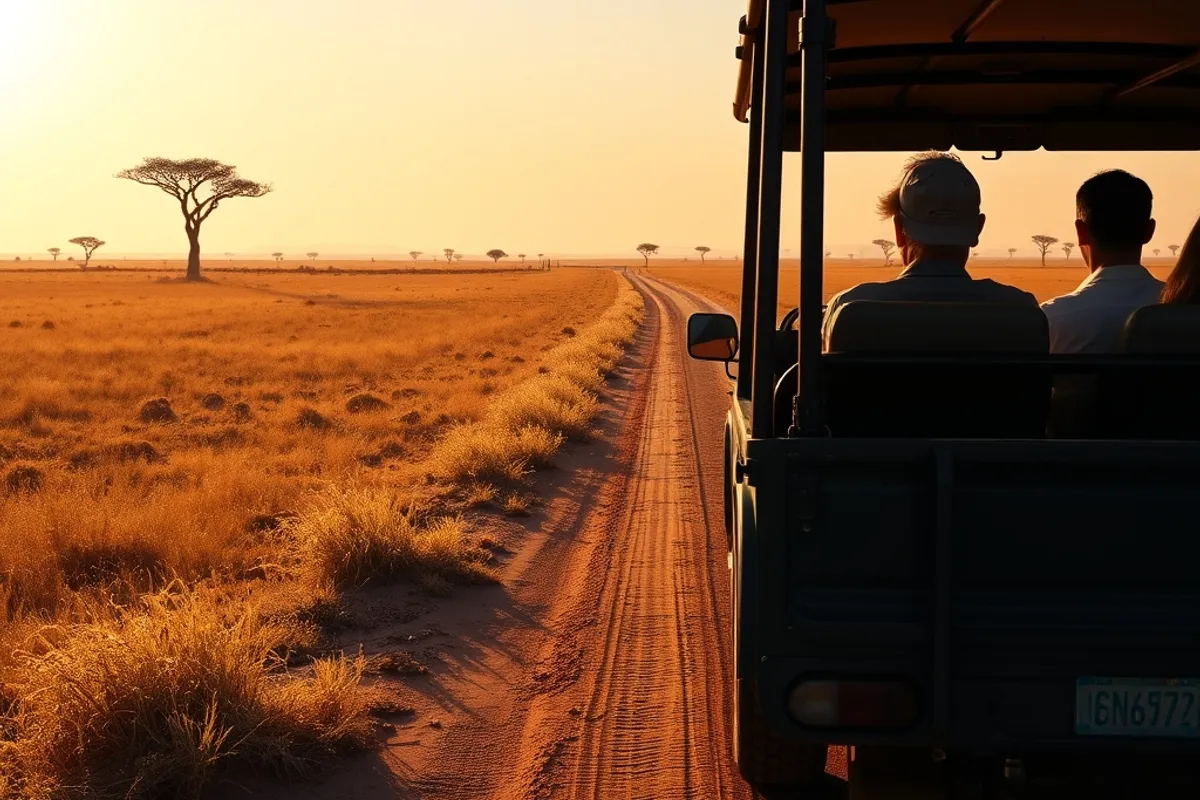
A good guide is the difference between a drive and an education. Ask about qualifications, years in the area and language. On a shared vehicle, ask how many guests per row and whether window seats are guaranteed.
Check whether the vehicle is open-sided, has charging points and carries a fridge or water cooler. Small details decide whether a six-hour drive is comfortable or punishing.
Health, safety and paperwork
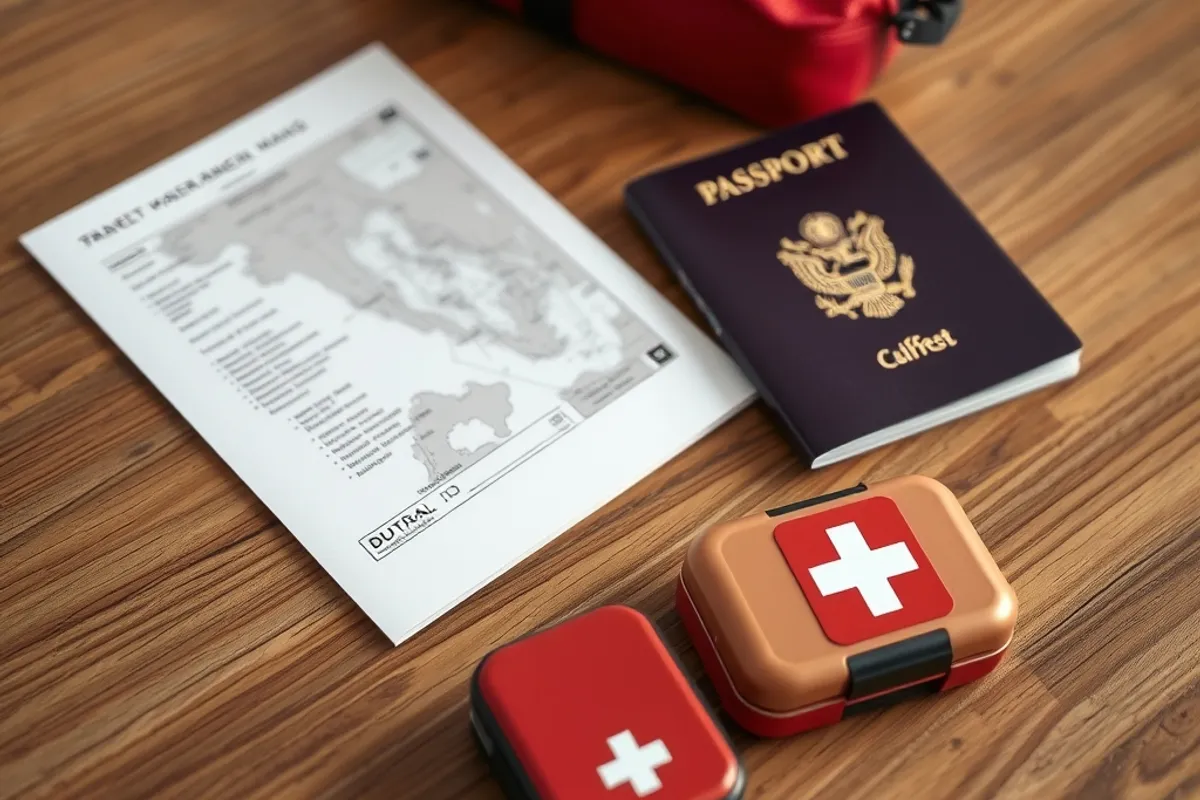
Check visa rules, yellow-fever requirements and malaria advice for the specific areas you will visit, not the country as a whole. Some parks sit above the malaria zone; others do not. Talk to a travel clinic four to six weeks before departure.
Buy insurance that explicitly covers safari activities, light aircraft and medical evacuation. Keep digital and paper copies of documents, and leave a copy of your itinerary with someone at home.