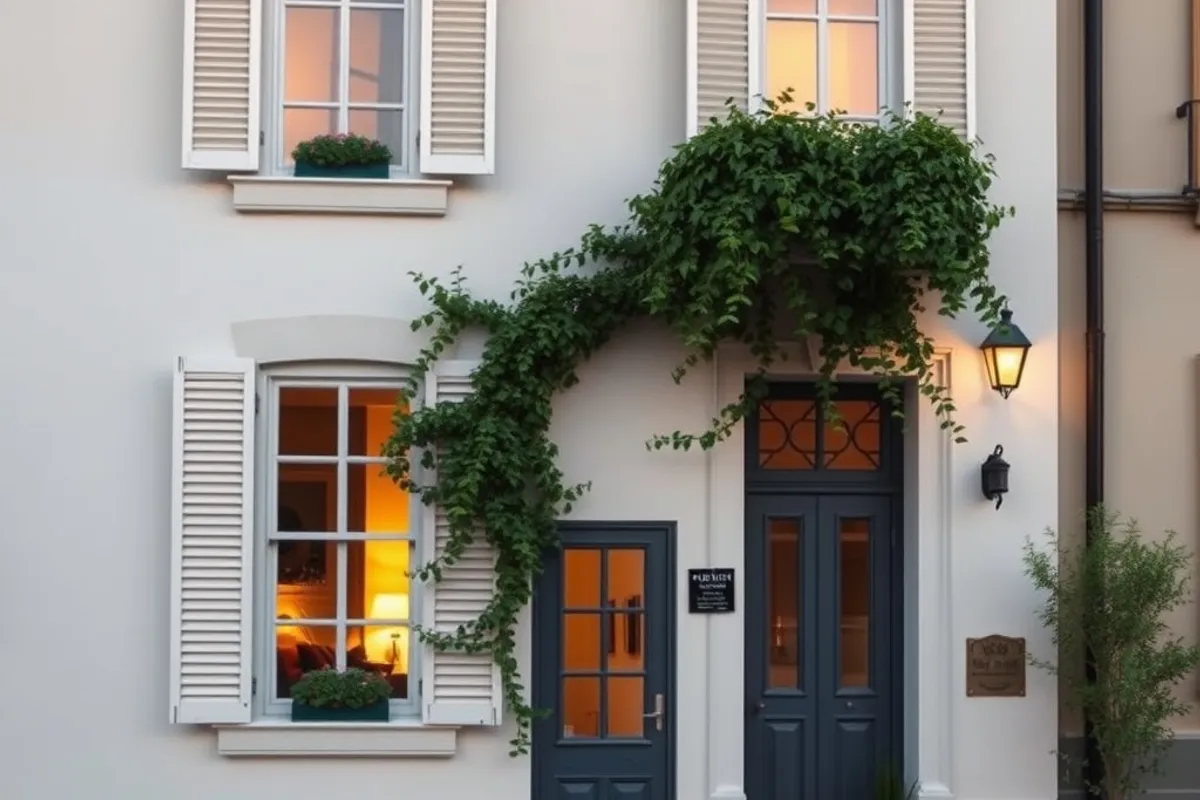
Boutique has no fixed definition. It can mean a twelve-room townhouse with a great chef, or a forty-room property with a designer lobby and thin walls. The label sells a mood, not a standard, so the work of judging a small hotel falls to you.
This guide covers the five things that actually predict whether you will enjoy a stay, and the marketing language that tells you very little.
Key facts
- Room count is the best proxy for service style: under 20 rooms usually means personal attention.
- Photographs are styled; floor plans and square metres are harder to fake.
- Read reviews from the last three months and filter for the room type you booked.
- Check whether breakfast, taxes and city fees are included in the displayed rate.
Contents
- Start with room count and layout
- Location in practice, not in prose
- Read reviews like a researcher
- Service ratio and staffing
- The fine print that changes the price
- Design versus comfort
- A short booking checklist
Start with room count and layout
A property with eight to twenty rooms can afford to notice you. Above forty rooms, staffing models start to resemble a small chain, whatever the design language says. That is not automatically worse, but it changes what you are buying.
Look for a floor plan. A beautiful photograph of a bed tells you nothing about whether the bathroom door closes, where the window faces or how far the lift is. Square metres are a useful reality check against the styling.
Location in practice, not in prose
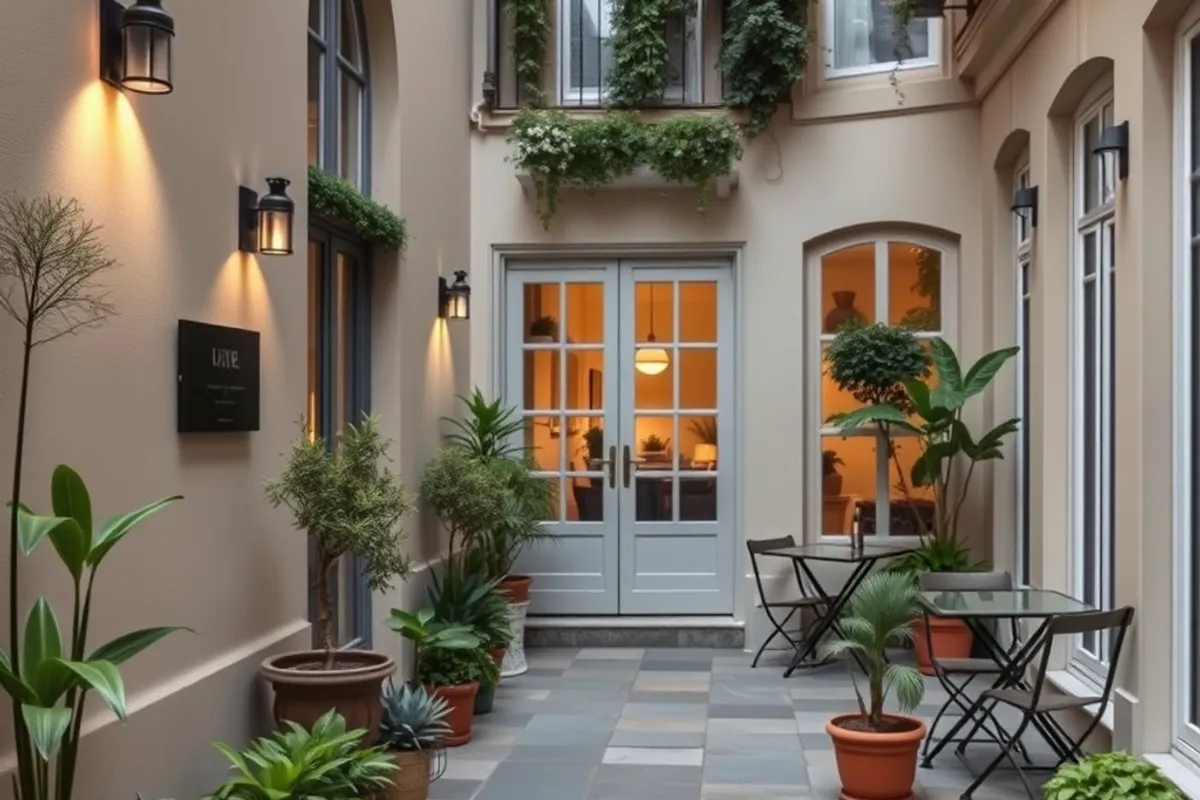
Every listing says central. Open a map and measure the walk to the places you actually plan to visit, then check the street at night. A five-minute walk through a quiet square is different from a five-minute walk along a motorway.
Check noise sources: bars, tram lines, markets, churches and building sites. Reviews mentioning noise are worth more than any description of the neighbourhood's charm.
Read reviews like a researcher
Filter to the last three months and to your room type. A suite review does not describe the entry-level room. Sort by lowest rating first and look for patterns: thin walls, slow Wi-Fi, unreliable hot water, indifferent breakfast.
Ignore one-off rants and one-off raves. Look for the same complaint repeated by different guests across several months. That is a system problem, not a bad day.

Service ratio and staffing
Ask how many staff are on duty overnight. A small hotel with no night porter is fine until something goes wrong at two in the morning. Check reception hours and whether there is someone reachable by phone.
Breakfast tells you a lot. Is it cooked to order or a tray left in the corridor? Is it included? A property that invests in breakfast usually invests in the rest of the guest experience.
A boutique hotel is a small promise: fewer rooms, more attention. Check whether the second half is true.
The fine print that changes the price
Compare total cost, not nightly rate. City tax, service charge, resort fee, breakfast and airport transfer can add a significant percentage. Check the cancellation window and whether the deposit is refundable.
Look at the check-in and check-out times honestly. A late arrival and an early flight can turn a two-night stay into one usable evening.
Design versus comfort
Boutique hotels often trade practicality for atmosphere: open bathrooms, low beds, moody lighting and no desk. None of that is wrong if you know what you are booking.
Decide what you need. A business traveller needs a desk, reliable Wi-Fi and blackout curtains. A couple on a short break may happily trade all three for a courtyard and a good bar.
A short booking checklist
Confirm room size, bed type, view, breakfast, taxes, cancellation terms and reception hours in writing. Ask for a photo of the actual room category you booked, not the suite used in the listing.
Book direct when the rate is comparable; small hotels often reward it with a better room or flexible check-out. Keep the confirmation email and the property's phone number offline.