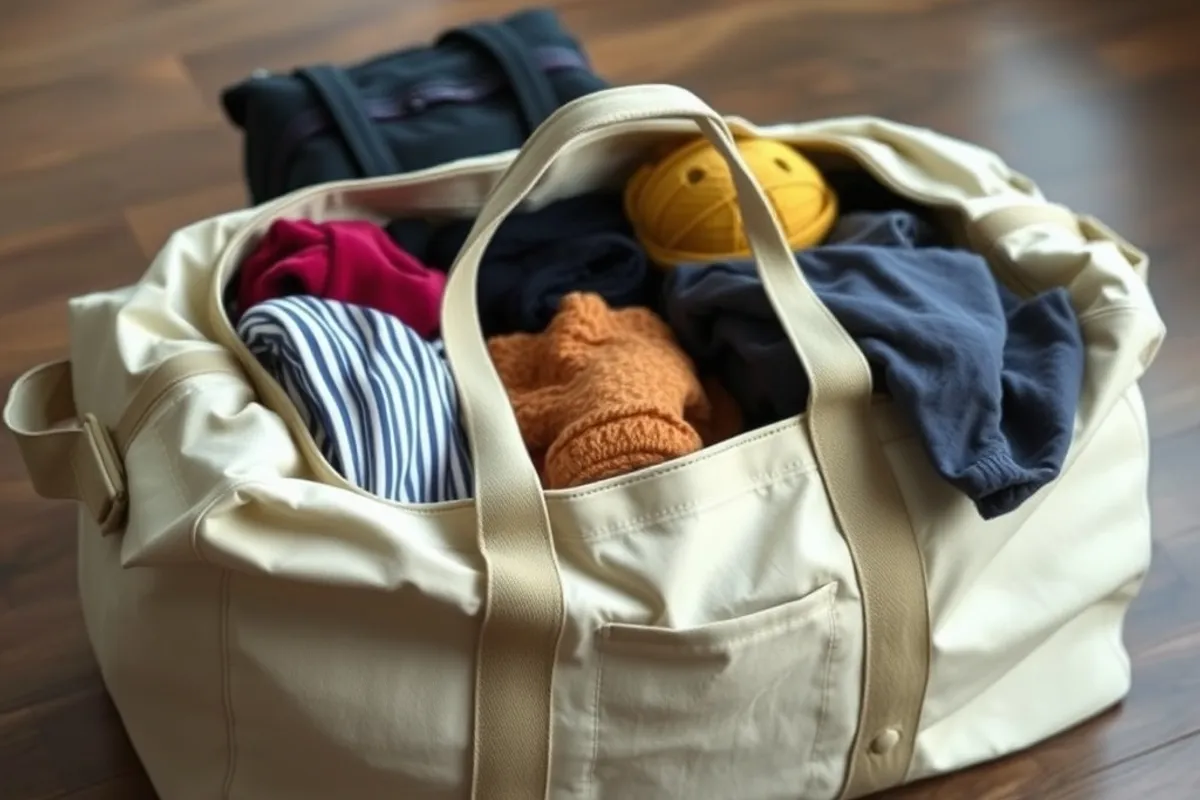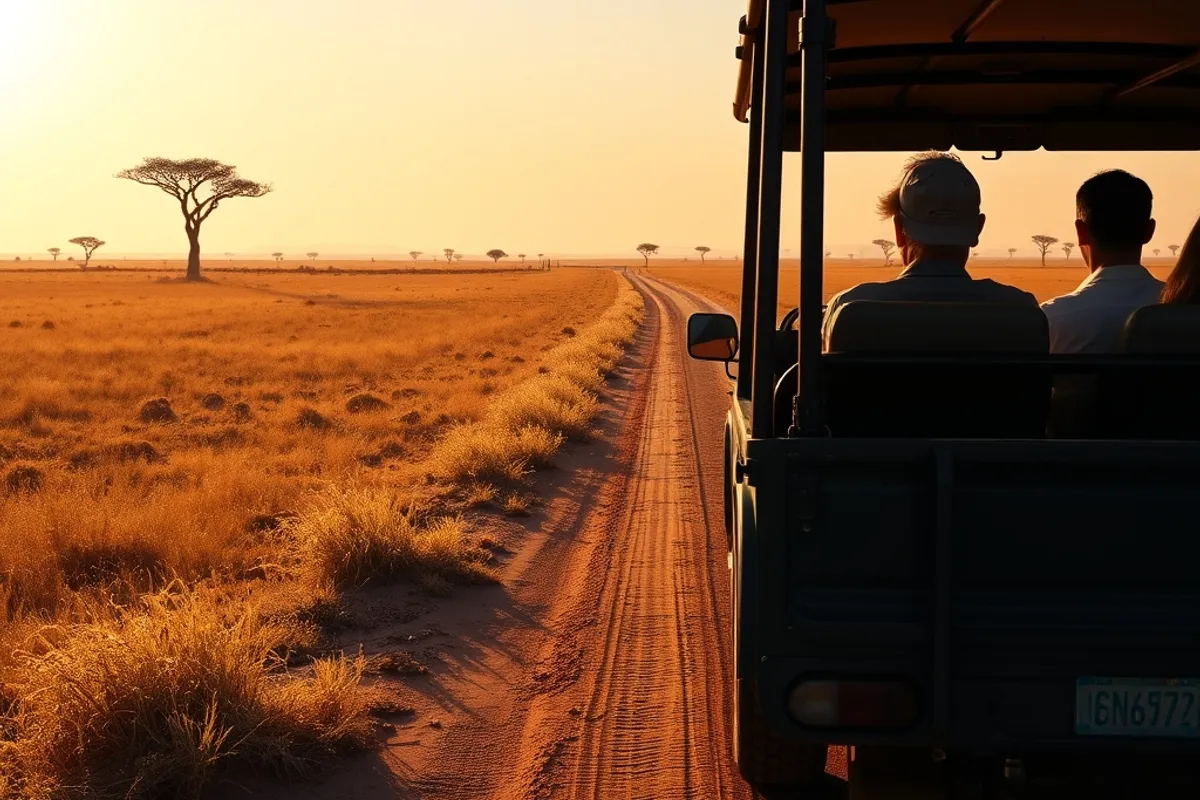
Safari luggage is usually limited by light aircraft, not by airline rules. A soft bag of 15 kilograms is a common cap, and hard cases are often refused outright. That constraint is a gift: it forces you to pack for the bush rather than for a photo shoot.
The list below is built around layers, neutral colours and a small number of items that do several jobs. Everything else is optional.
Key facts
- Pack neutral colours; avoid bright white, black and camouflage in most countries.
- Soft bags under 15 kg are standard on light aircraft transfers.
- Dust is the real enemy: bring lens cloths and zip bags, not extra lenses.
- Two pairs of broken-in shoes are enough for almost any safari.
Contents
- Clothing that works in the bush
- Shoes and feet
- Camera kit without the weight
- Health and insect protection
- Bags and organisation
- What to leave at home
- The final check
Clothing that works in the bush
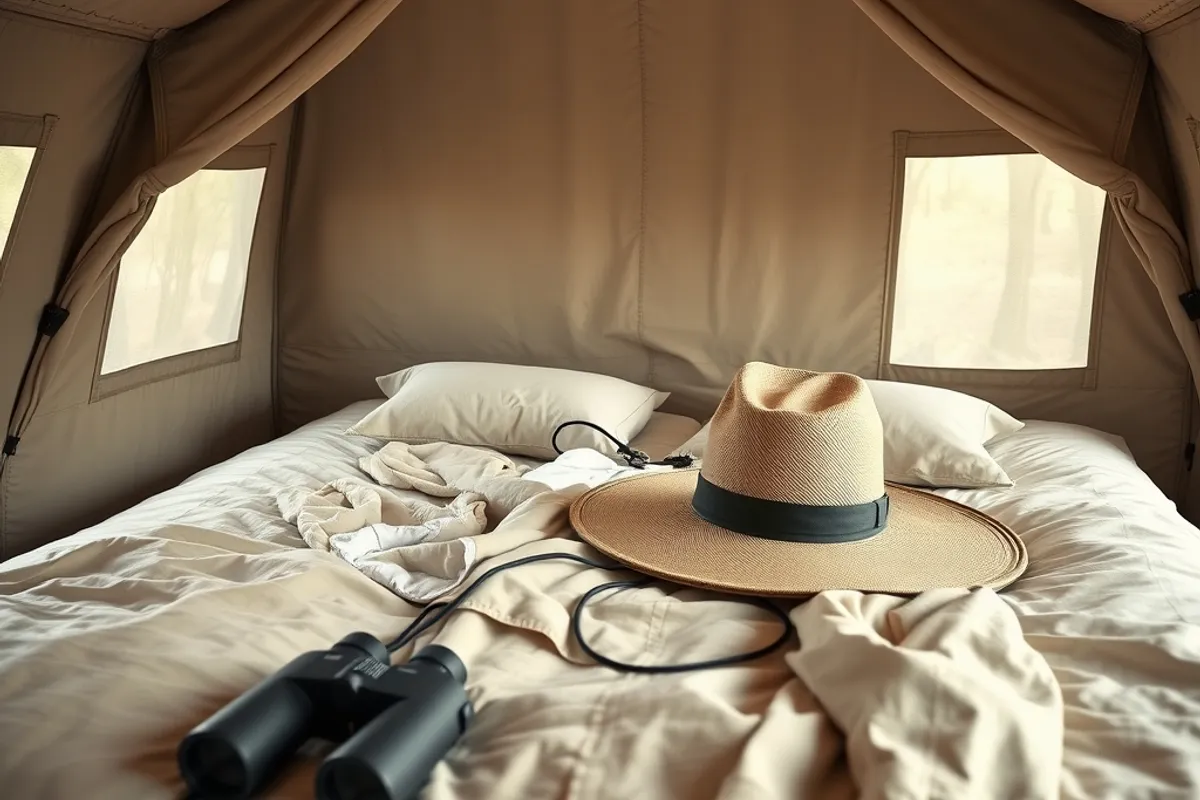
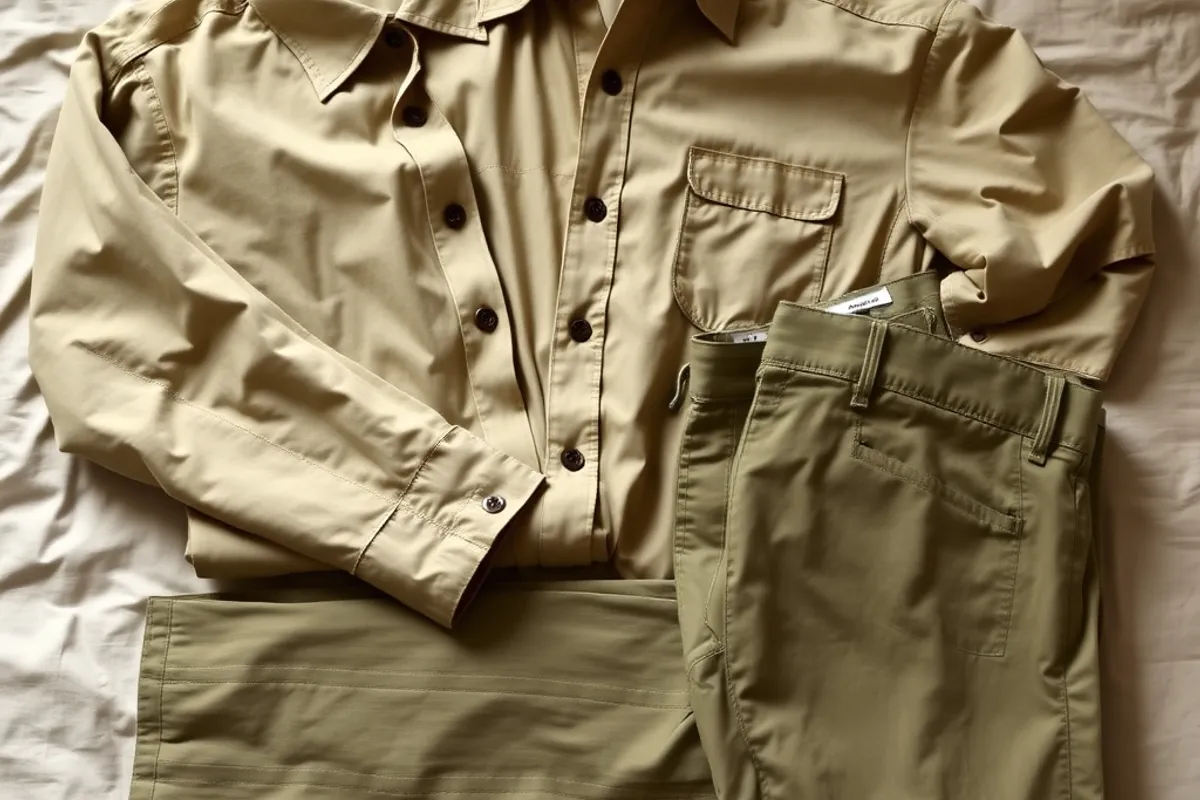
Pack neutral tones — khaki, olive, sand, muted grey. Bright colours can disturb wildlife and white shows every speck of dust. Avoid camouflage patterns in countries where they are restricted to military use.
Think layers: cool mornings, hot middays and cold nights are normal. A light long-sleeved shirt protects against sun and insects, a fleece handles dawn drives, and a windproof outer layer earns its place on open vehicles.
Shoes and feet
Two pairs are enough: closed walking shoes or light boots, and sandals for camp. Break them in before you travel. Blisters on day two of a walking safari are miserable and entirely avoidable.
Add good socks and a blister kit. If your trip includes walking safaris, ankle support matters more than style.
Camera kit without the weight
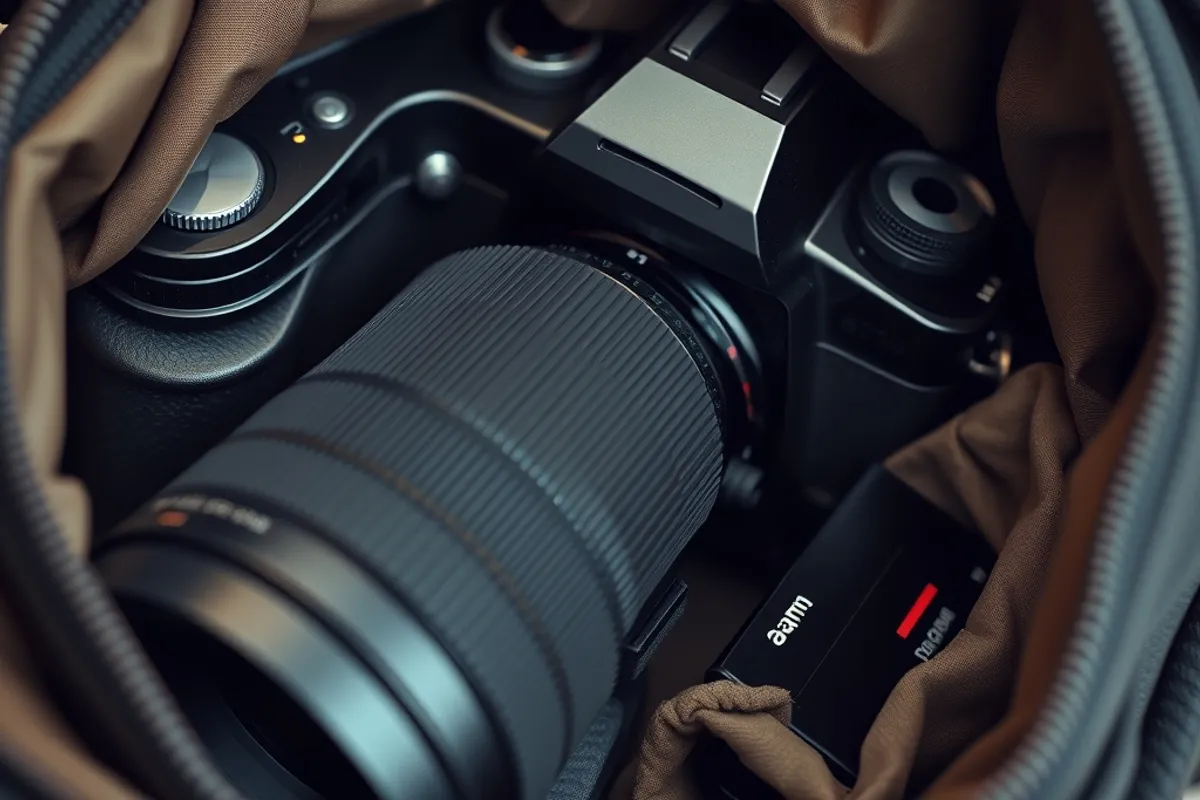
One body and one versatile zoom will cover most situations. A 100–400mm range is a practical compromise; a second short lens is useful for landscapes and camp life. Bring more memory than you think you need and spare batteries, since charging can be limited.
Dust protection matters: a rain cover, microfiber cloths and sealable bags for cards and batteries. A bean bag or small tripod helps on long evening drives, but check whether your camp provides one.
Health and insect protection
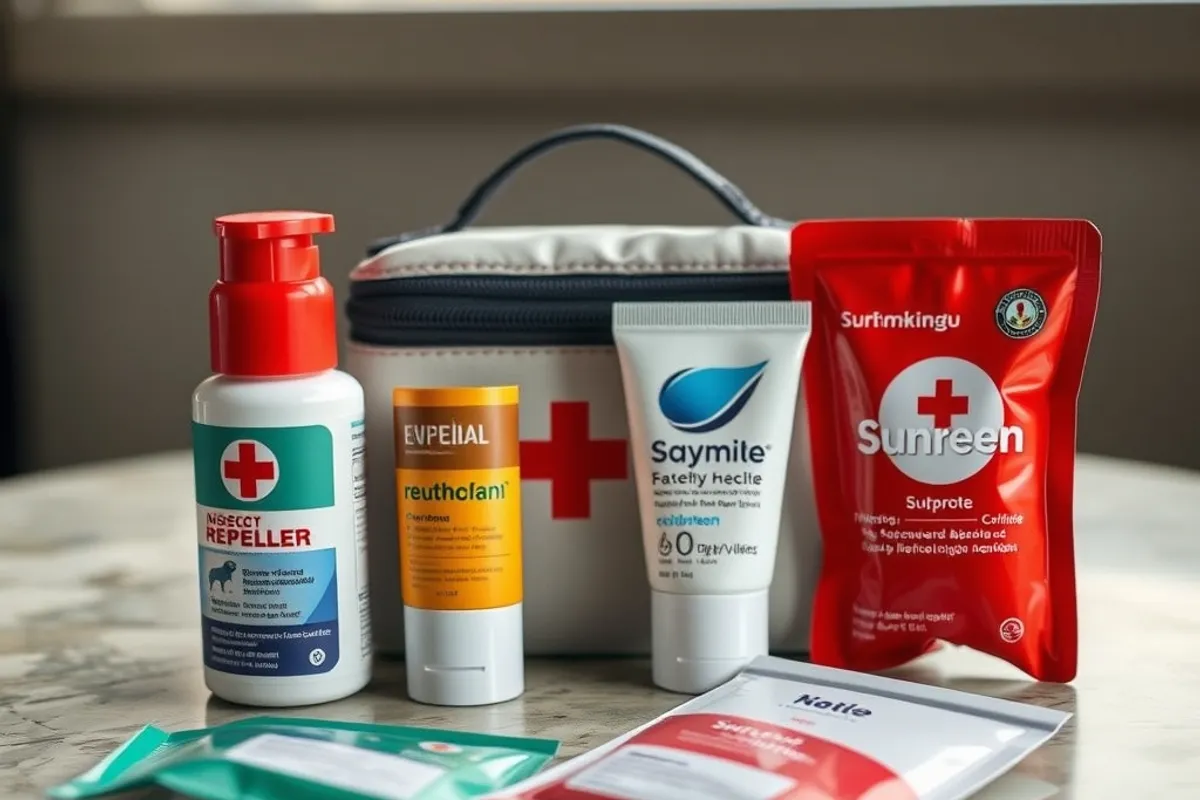
Bring repellent with the active ingredient recommended for your destination, sunscreen, lip balm, oral rehydration sachets and any prescription medicine in original packaging. A basic first-aid kit covers cuts, bites and upset stomachs.
Check malaria prophylaxis and vaccination requirements with a travel clinic. Pack medicine in carry-on, not checked luggage, and carry a copy of prescriptions.
You will remember the light at six in the morning, not the fourth pair of trousers you never wore.
Bags and organisation
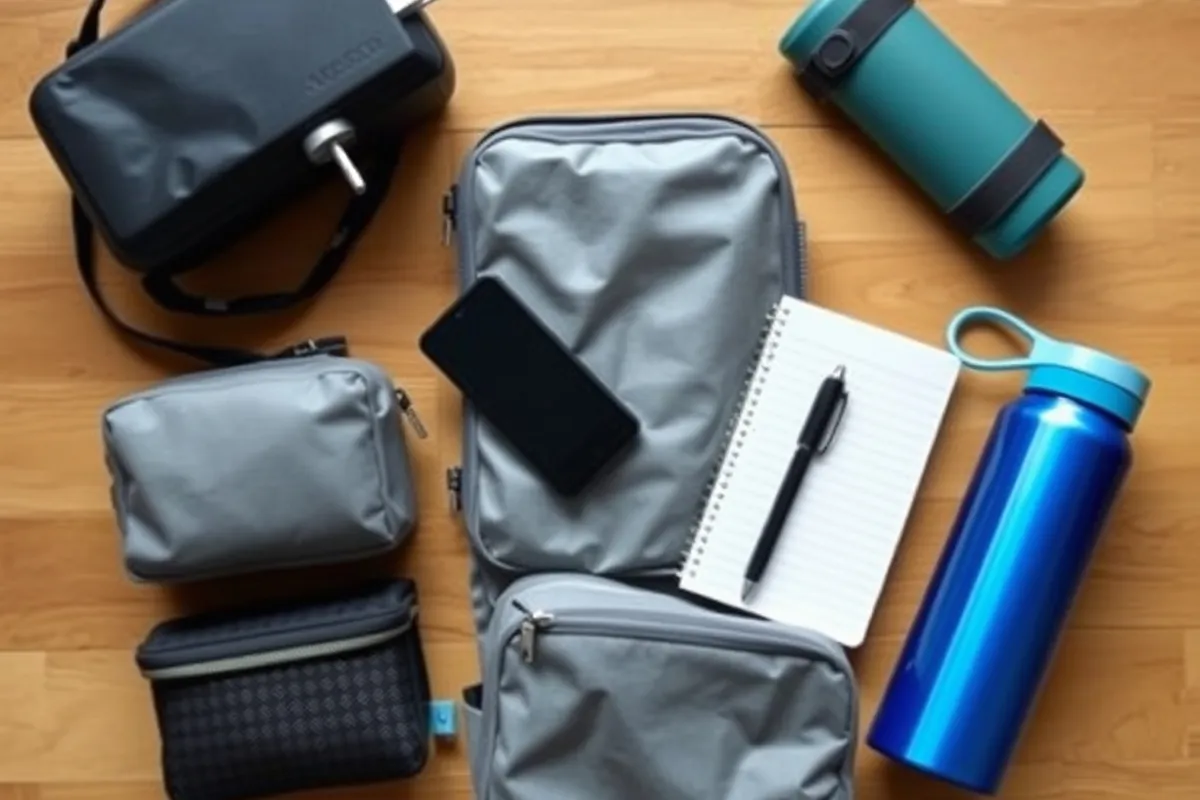
Use a soft duffel for the hold and a small daypack for the vehicle. Packing cubes keep dust out and make early starts easier. A dry bag protects electronics during the green season.
Label your bag and keep documents, medicine and a change of clothes in your carry-on. If your duffel misses a light-aircraft transfer, you will still function for a day.
What to leave at home
Leave the drone unless you have written permission; many parks and countries ban them outright. Leave heavy tripods, multiple camera bodies, jewellery and anything you would worry about. Leave the hairdryer unless the camp confirms power.
Skip the full pharmacy and the four pairs of shoes. Camps can usually handle minor problems, and every kilogram counts on a small plane.
The final check
Lay everything out, then remove a third. Confirm the airline and camp baggage limits separately. Pack a change of clothes, medicine and documents in your carry-on, and photograph your packed bag in case it goes missing.
Wash and dry everything before packing; new cotton can shrink and new boots can bite. A final check against the camp's own list catches the small regional differences.