Travel gear is an industry built on the fear of forgetting something. Most of it solves problems you will never have, and all of it adds weight. The useful kit is small, boring and used on every trip.
This list is organised by the problems that actually recur: power, sleep, organisation, health and weather.
Key facts
- A universal adapter with USB-C ports replaces a bag of chargers.
- Earplugs and an eye mask do more for a trip than most gadgets.
- One power bank under airline limits covers a full day of sightseeing.
- Buy gear you will use at home; single-use travel items rarely justify their space.
Contents
- Power and charging
- Sleep and noise
- Organisation
- Health and hydration
- Weather and layers
- What to skip
- Building the kit
Power and charging
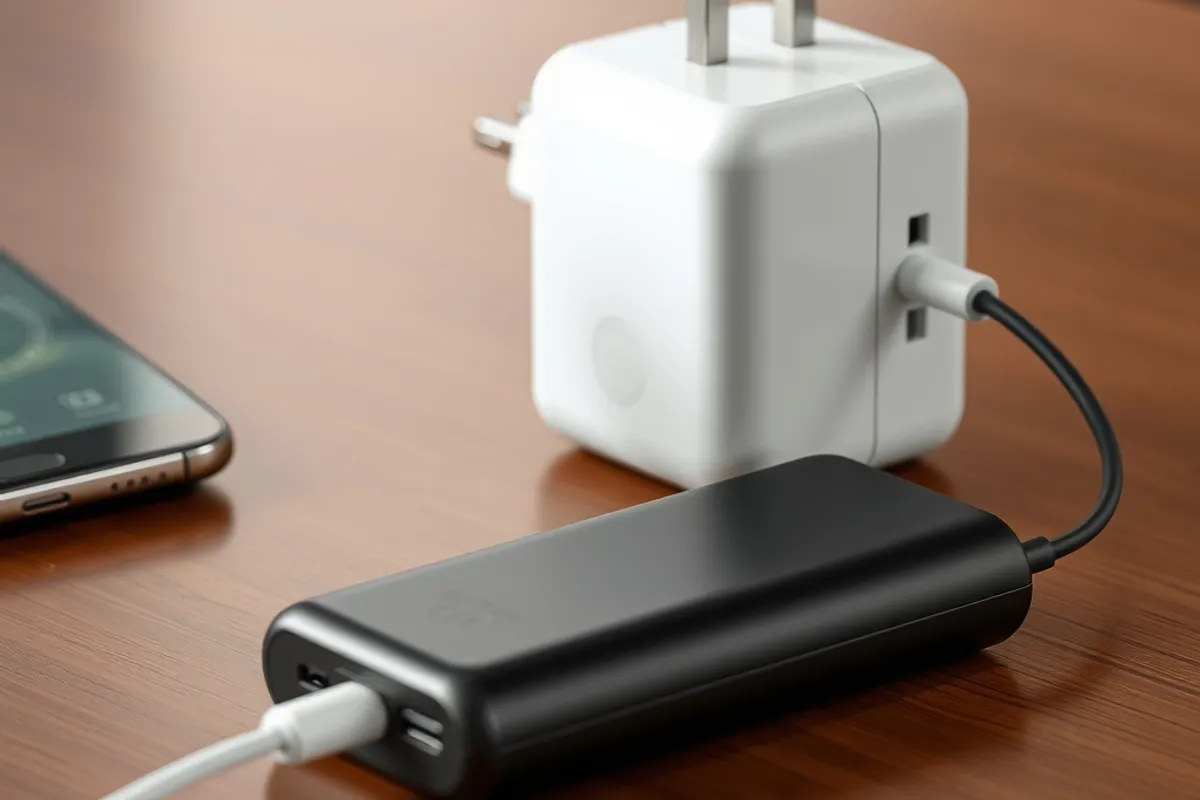
A compact universal adapter with two USB-C ports and one USB-A port replaces most of the chargers in your bag. Add a short multi-port cable and a 10,000mAh power bank for long days out.
Check airline limits for lithium batteries: they usually belong in carry-on, not checked luggage. A single power strip can turn one hotel socket into four, which matters when you travel with a partner.
Sleep and noise
Earplugs and a comfortable eye mask are the highest-value items in this guide. Hotels are noisy, flights are noisy and time zones do not care about your plans.
If you are sensitive to sound, noise-cancelling headphones earn their space on long flights. For sleeping, simple foam earplugs usually beat expensive electronics.
Organisation
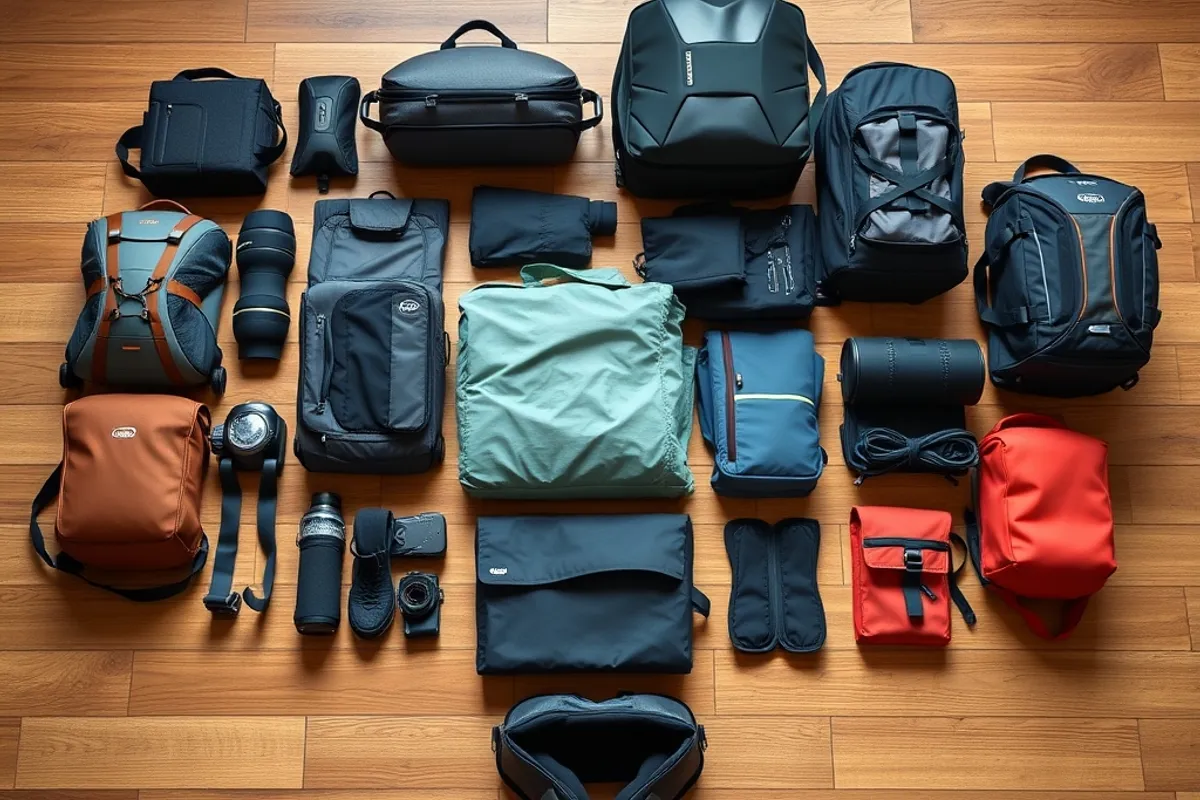
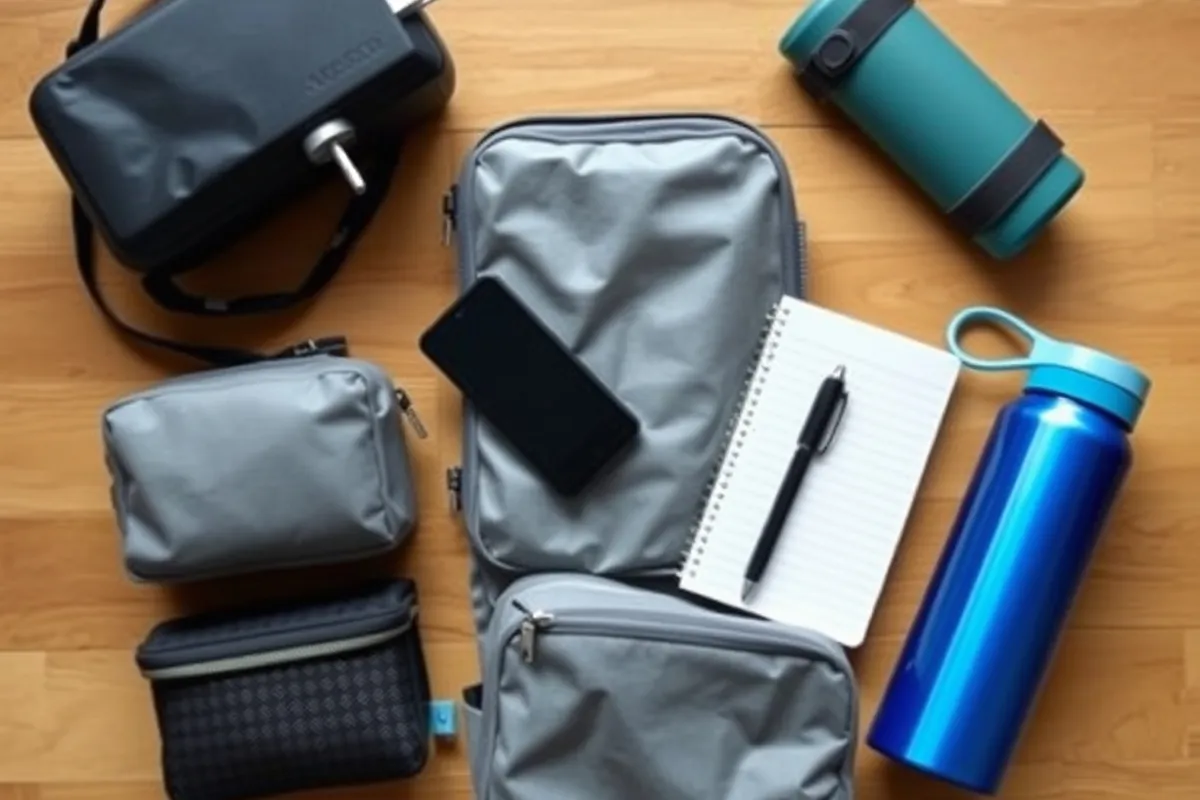
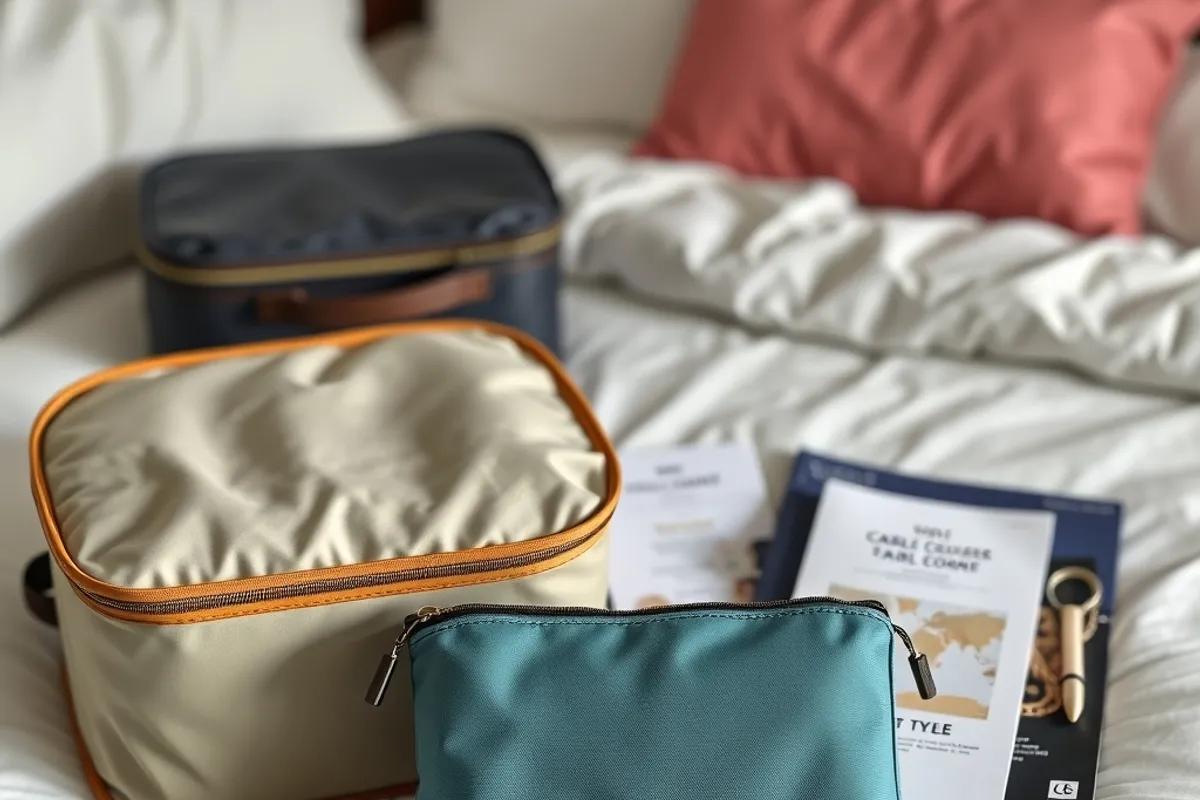
Packing cubes make a suitcase legible and keep dirty clothes separate. A small pouch for cables and a flat document wallet prevent the daily hunt for a passport or a charger.
Choose one bag with a reliable zip and a comfortable strap over three specialised bags. A simple tote folds flat and doubles as a beach bag or a shopping bag.
Health and hydration
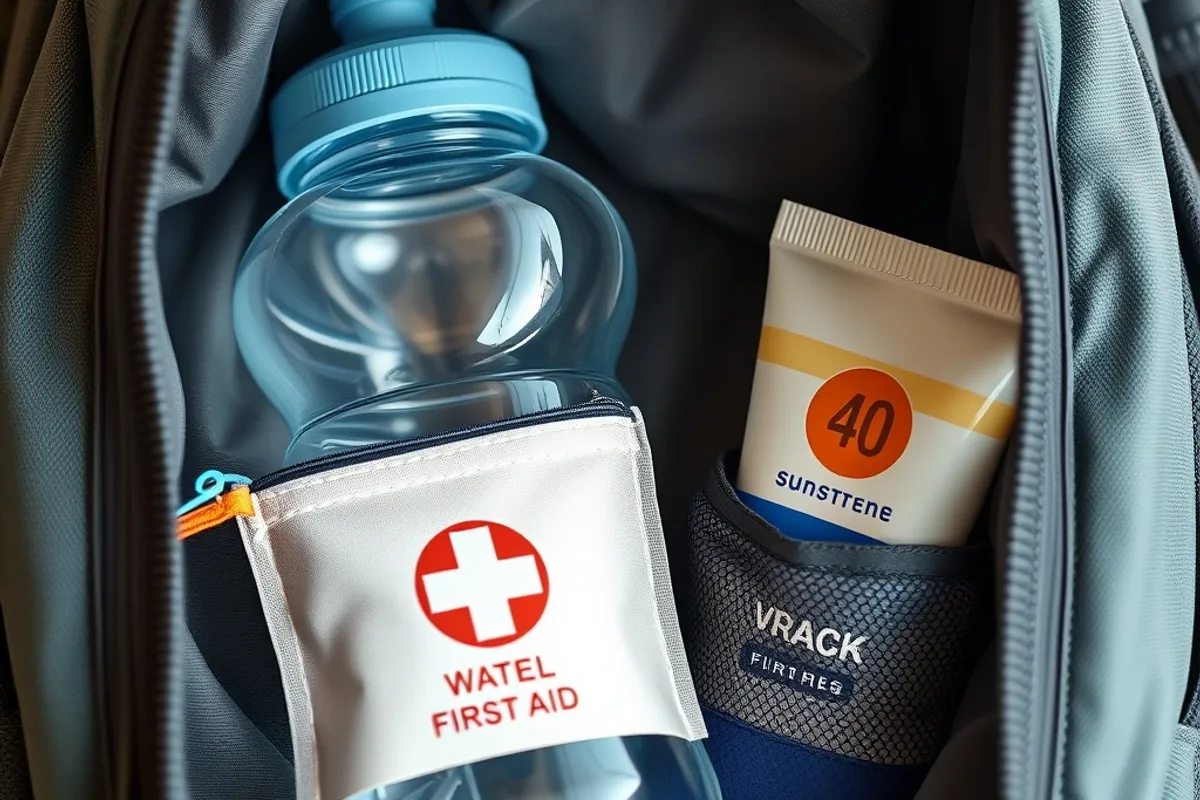
A refillable bottle, a small first-aid kit and a few sachets of oral rehydration salts cover most minor problems. Add sunscreen, insect repellent and any prescription medicine in original packaging.
A filter bottle is useful in places where tap water is questionable, but check that it suits the pathogens in the region. In many destinations, buying large bottles is cheaper and simpler.
The best travel gear is the thing you reach for on a normal Tuesday, not the thing you bought for one trip.
Weather and layers
A packable rain shell and a light warm layer handle more conditions than a heavy coat. Both should fit in a day bag. A compact umbrella is useful in cities and useless in wind.
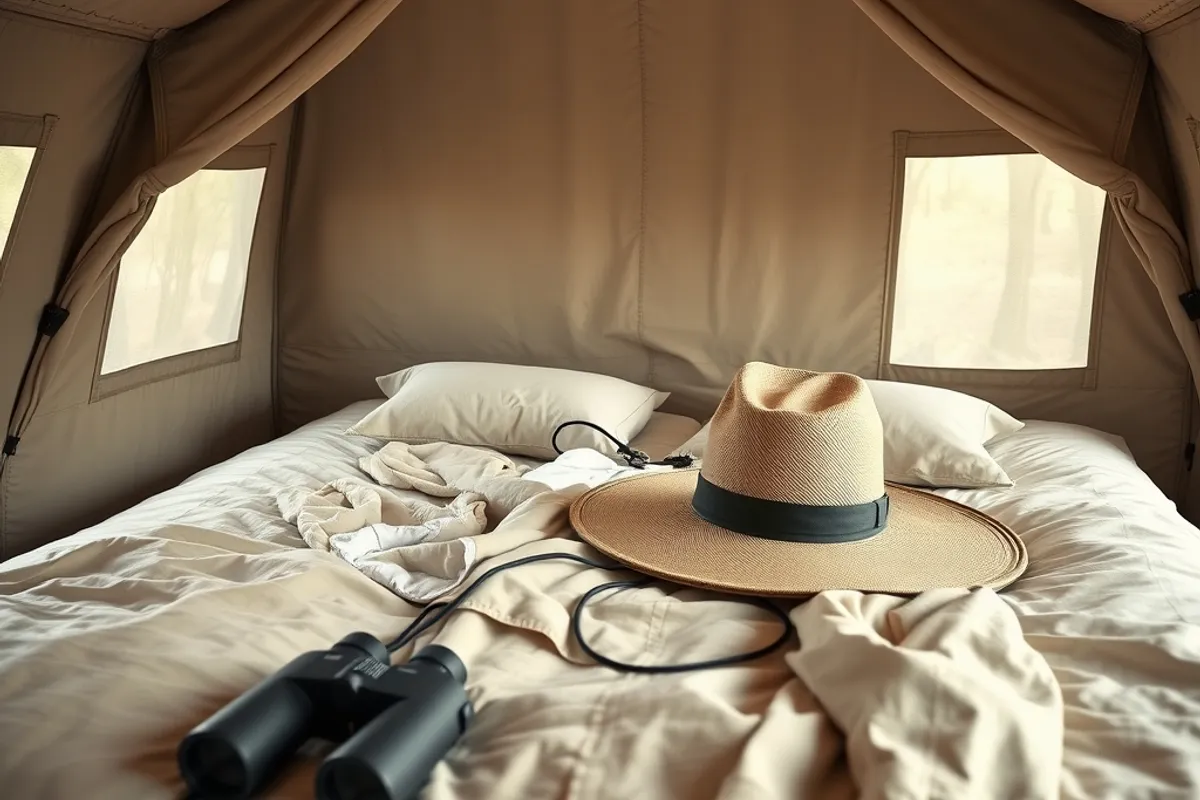
For sun, a hat with a brim and UV-protective clothing are more effective than repeated sunscreen. For cold, thin merino layers beat bulky sweaters.
What to skip
Skip the travel iron, the folding kettle, the neck pillow you will lose and the fourth camera lens. Skip anything that only works in one specific scenario you have not actually booked.
Skip hard cases for trips involving small planes, ferries or trains. Soft bags fit into more spaces and survive being thrown into a hold.
Building the kit
Start with what you already own, then buy one item at a time after a trip reveals a real gap. Keep a small packing list on your phone and update it when you return, not when you leave.
Test new gear at home before you rely on it. A power bank that does not charge your phone, or a rain shell that wets out, is worse than no gear because it takes up space and gives false confidence.