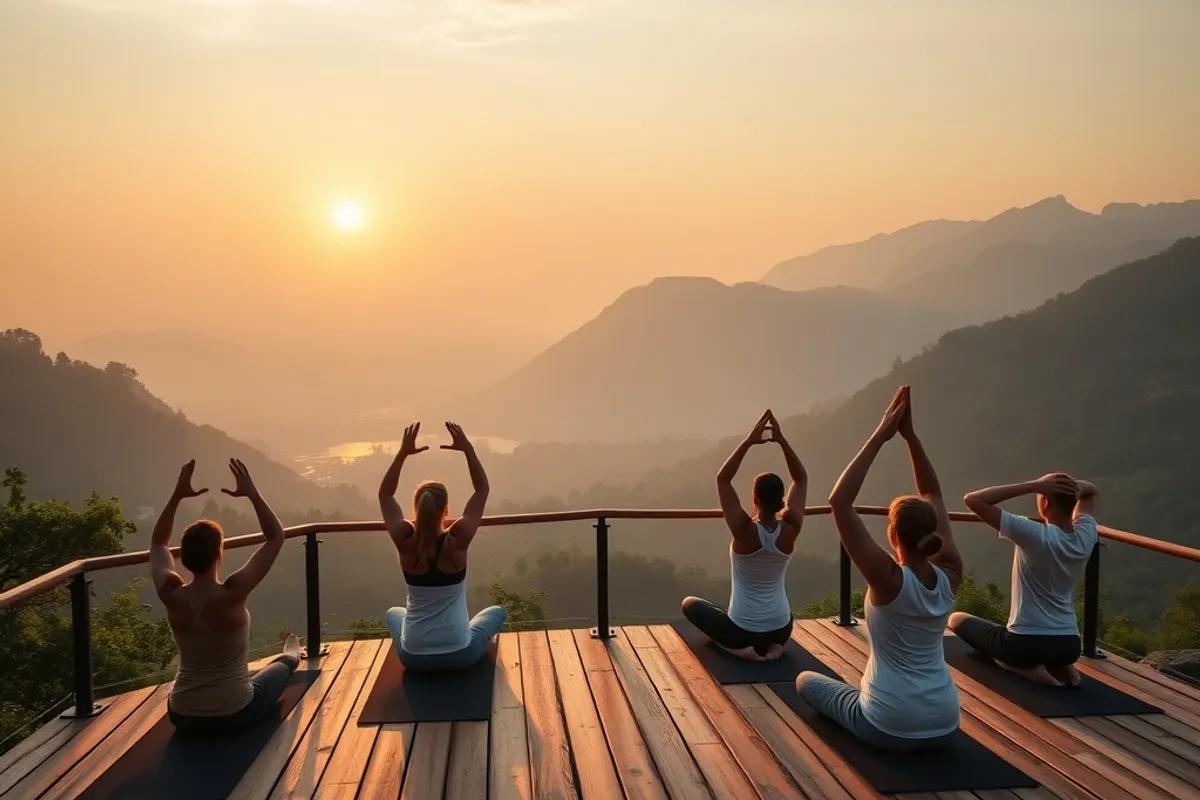
Retreat brochures show one perfect hour: sunrise yoga, a bowl of fruit, a hammock. Real days are longer and more ordinary. Knowing the shape of a typical day helps you choose a programme that fits your energy rather than an idealised version of it.
Below is a realistic day across a rest-focused retreat and a more active one, with notes on where the pressure points usually appear.
Key facts
- Most retreat days start early, whether or not the programme calls itself active.
- Meals are often fixed and communal, with limited flexibility for late risers.
- Treatments usually need booking at the start of the week; popular slots go quickly.
- Afternoon free time is the part most guests underestimate in value.
Contents
- Early morning: practice and quiet
- Breakfast and the first decision
- Mid-morning: the main session
- Lunch and the afternoon gap
- Treatments and one-to-one time
- Evening: food, talk and sleep
- Designing your own version
Early morning: practice and quiet
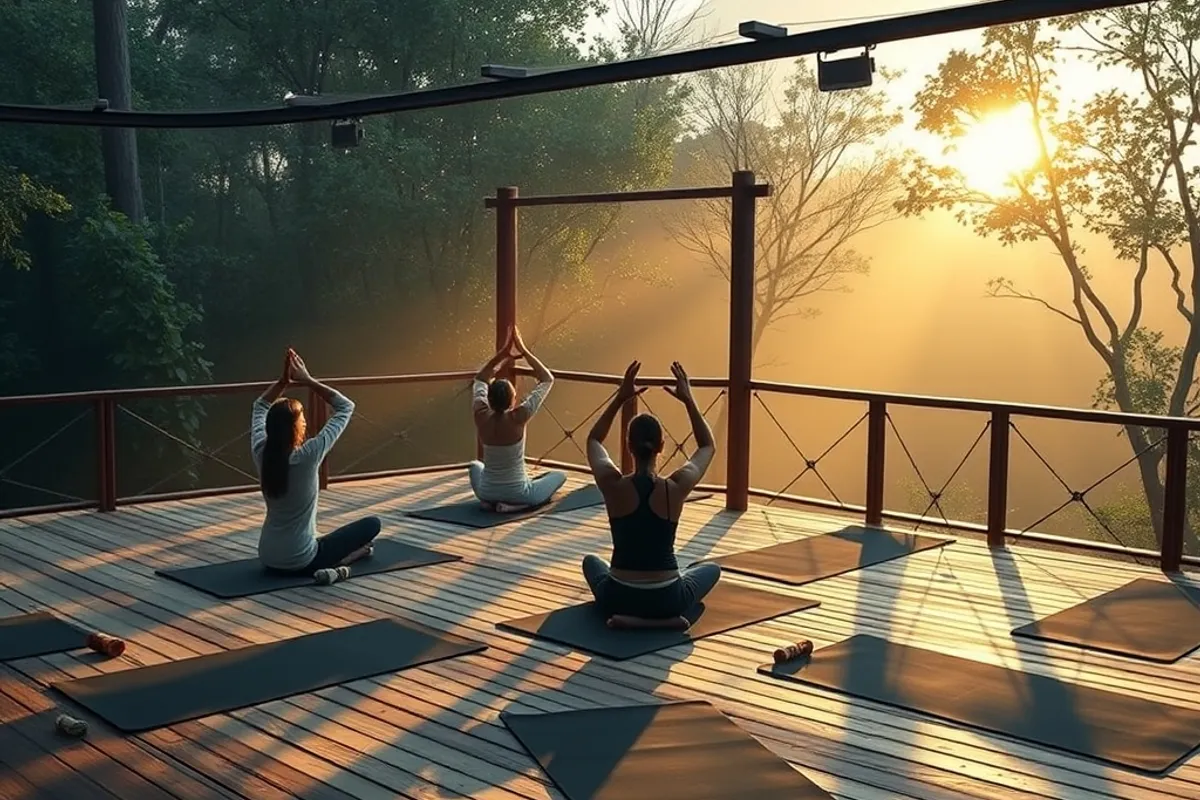
Most retreats begin between six and seven with yoga, breathing or a silent walk. It is often the best part of the day: cool air, low voices and no decisions. If you are not a morning person, choose a retreat that offers a later alternative.
Check whether attendance is required. A good programme offers options rather than obligations. If the only session is at six, and you know you will resent it, that is useful information before you book.
Breakfast and the first decision
Breakfast is usually communal and fixed. Expect fruit, grains, eggs or a set menu depending on the programme. If you have allergies or need a later start, confirm both in advance.
This is often when the day's treatments and activities are confirmed. Bring your schedule and book any popular slots early in the week. The best massage times disappear by day two.
Mid-morning: the main session
The main session might be a longer practice, a workshop, a hike or a consultation. This is where the retreat's real content sits. Ask in advance what it involves and how physically demanding it is.
If the session is therapeutic, check who leads it and what training they have. If it is a hike, check the distance, terrain and whether transport is included.

Lunch and the afternoon gap
Lunch is usually lighter than dinner, and the afternoon is often free. This gap is the part guests value most in hindsight: a swim, a nap, a book, a treatment or simply silence.
Some retreats fill the afternoon with optional classes. You can usually skip them, but check whether skipping affects the price or the group dynamic. A good retreat makes opting out easy.
The best hour of a retreat is often the unscheduled one. Protect it.
Treatments and one-to-one time
Massage, physiotherapy, coaching and nutritional consultations are usually booked separately. Check what is included and what costs extra, and confirm the cancellation policy for treatments.
One-to-one time can be the most useful part of a retreat, but only if the practitioner is qualified and the session has a clear purpose. Ask what the session will cover before you book it.
Evening: food, talk and sleep
Dinner is often the social meal, with longer conversation and sometimes a talk or a film. It can be the warmest part of the day or the most draining, depending on your appetite for company.
Many retreats encourage early nights. If silence begins at nine, respect it. If you need to work or call home, check the rules and the Wi-Fi before you book.
Designing your own version
If you are choosing between retreats, compare the shape of the day rather than the list of features. One with two sessions and a long afternoon gap will feel very different from one with five scheduled activities.
Build in one completely free day if the retreat allows it, and protect one unscheduled afternoon. The point of a retreat is to leave with more energy than you arrived with, not a certificate for completing the most classes.